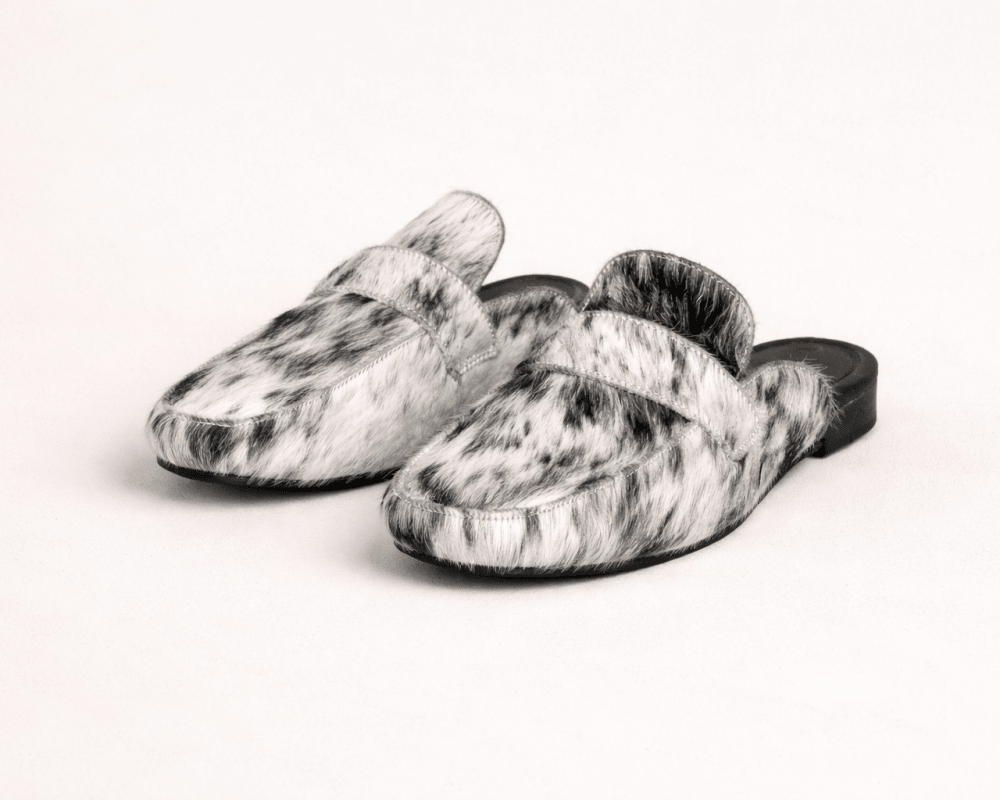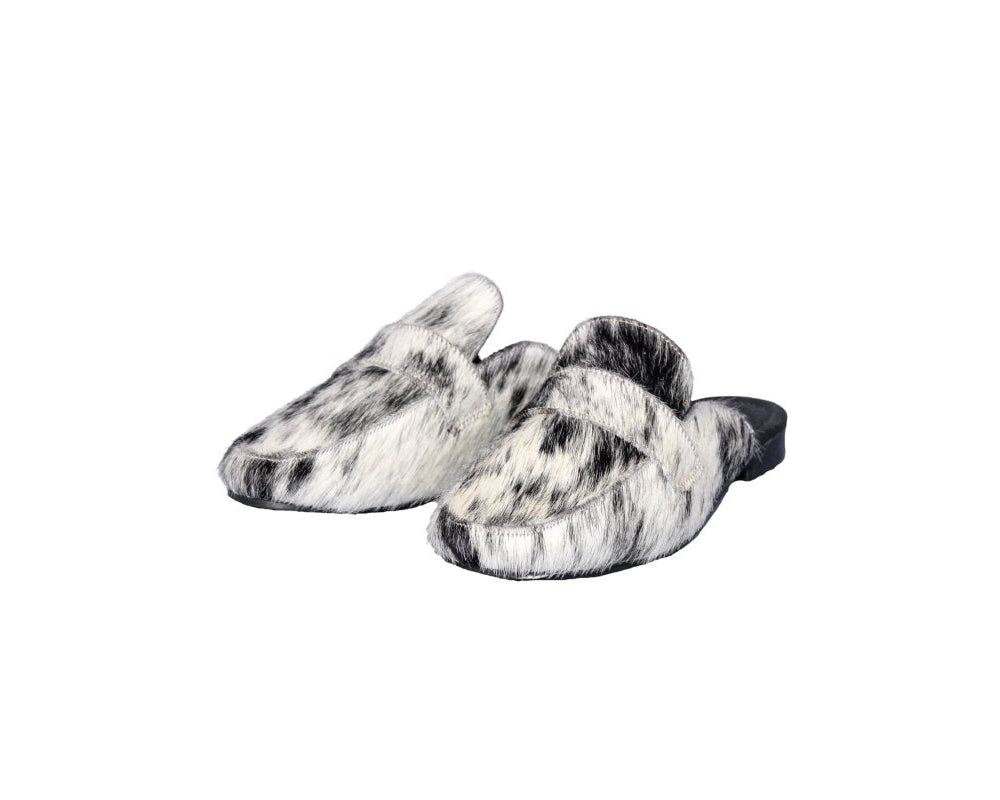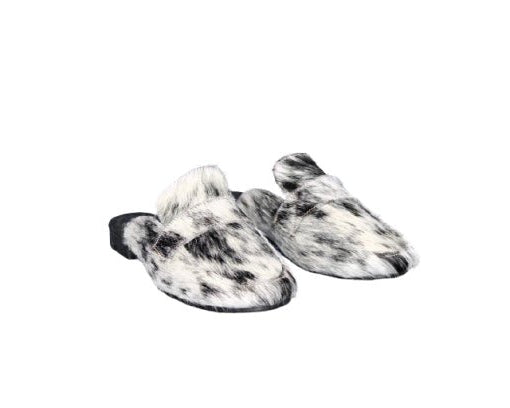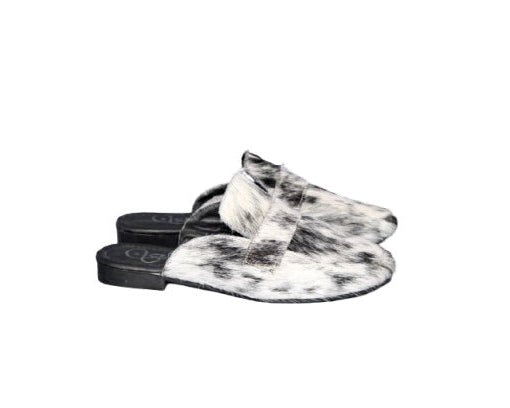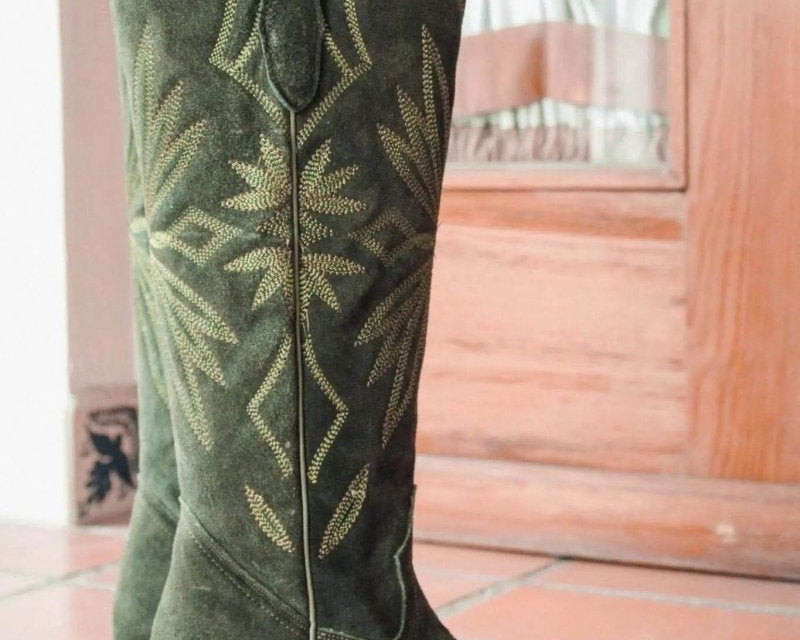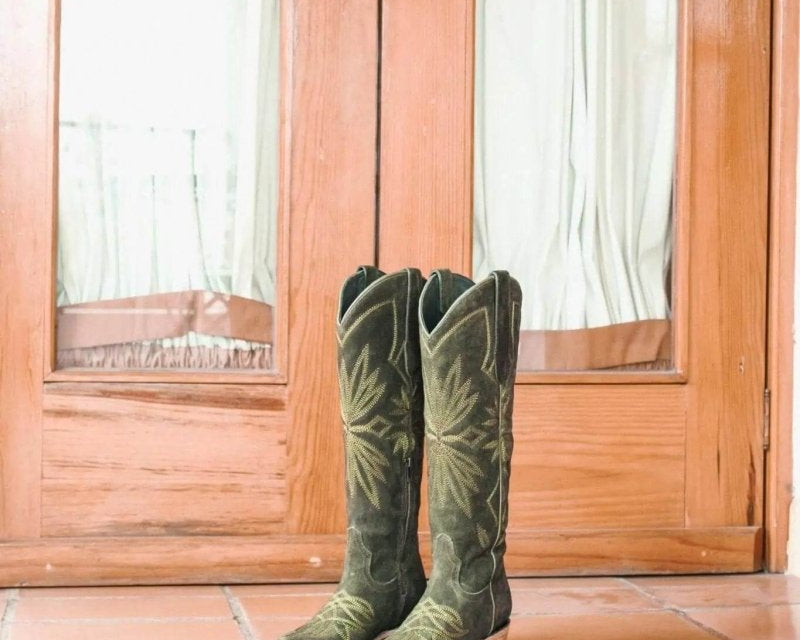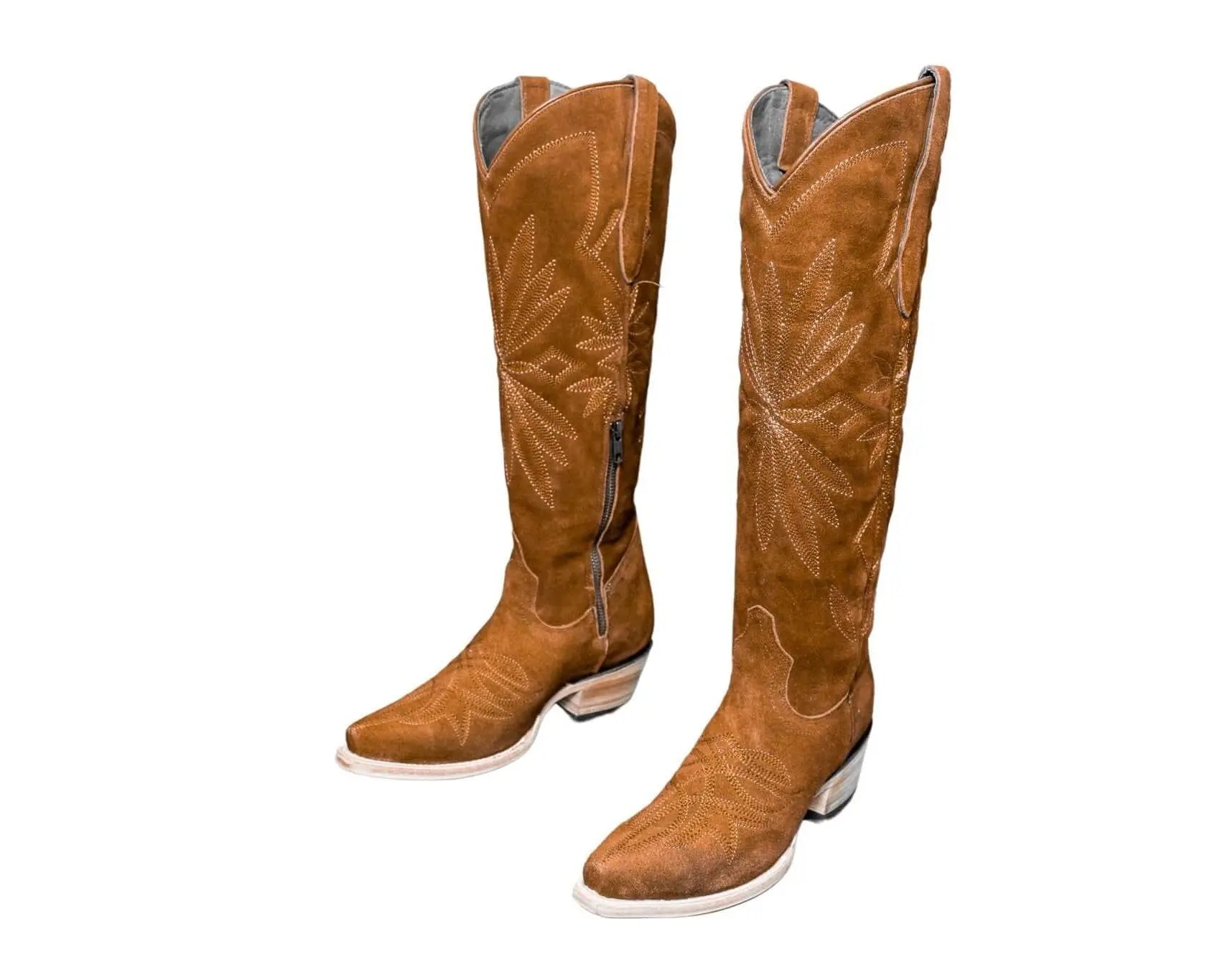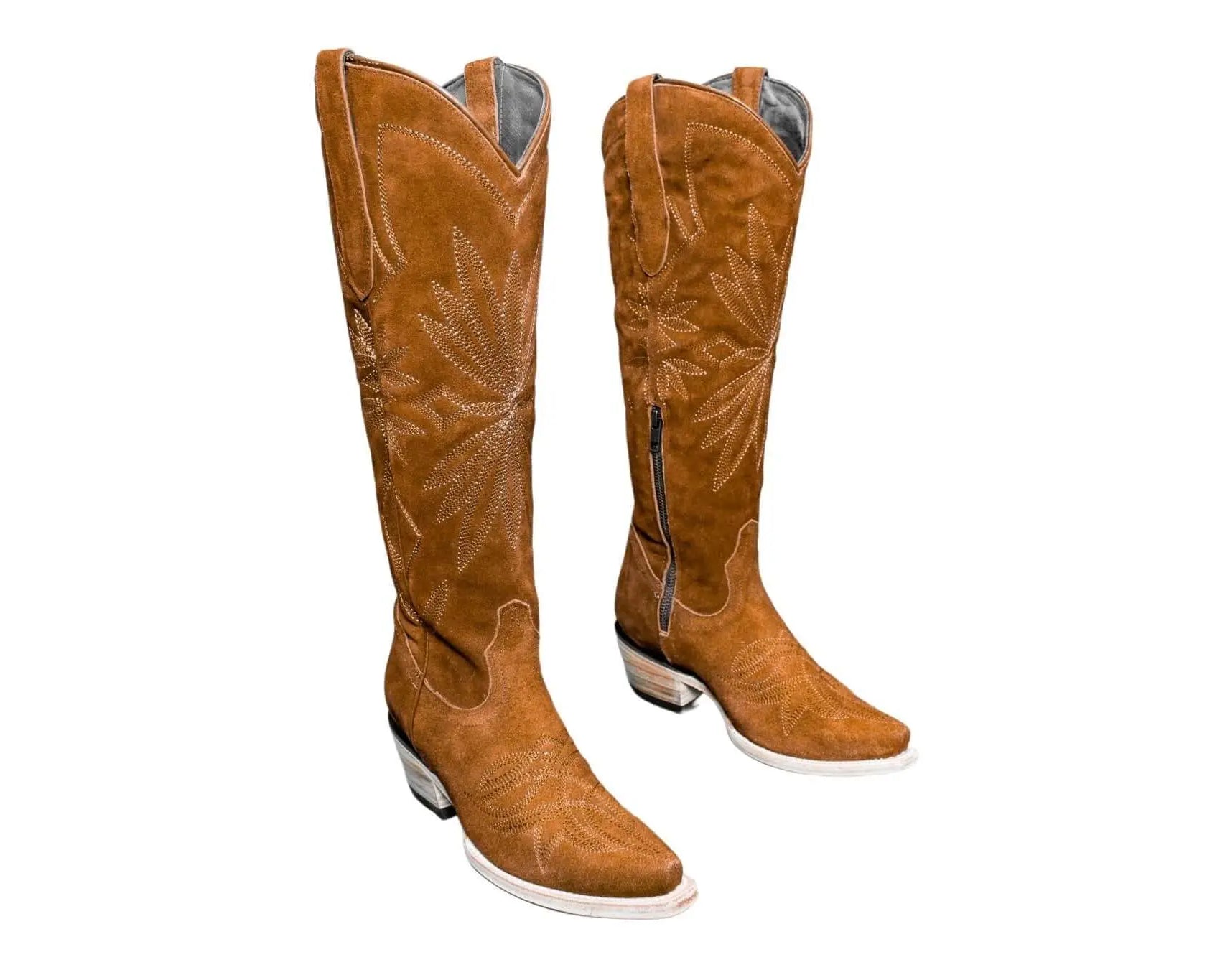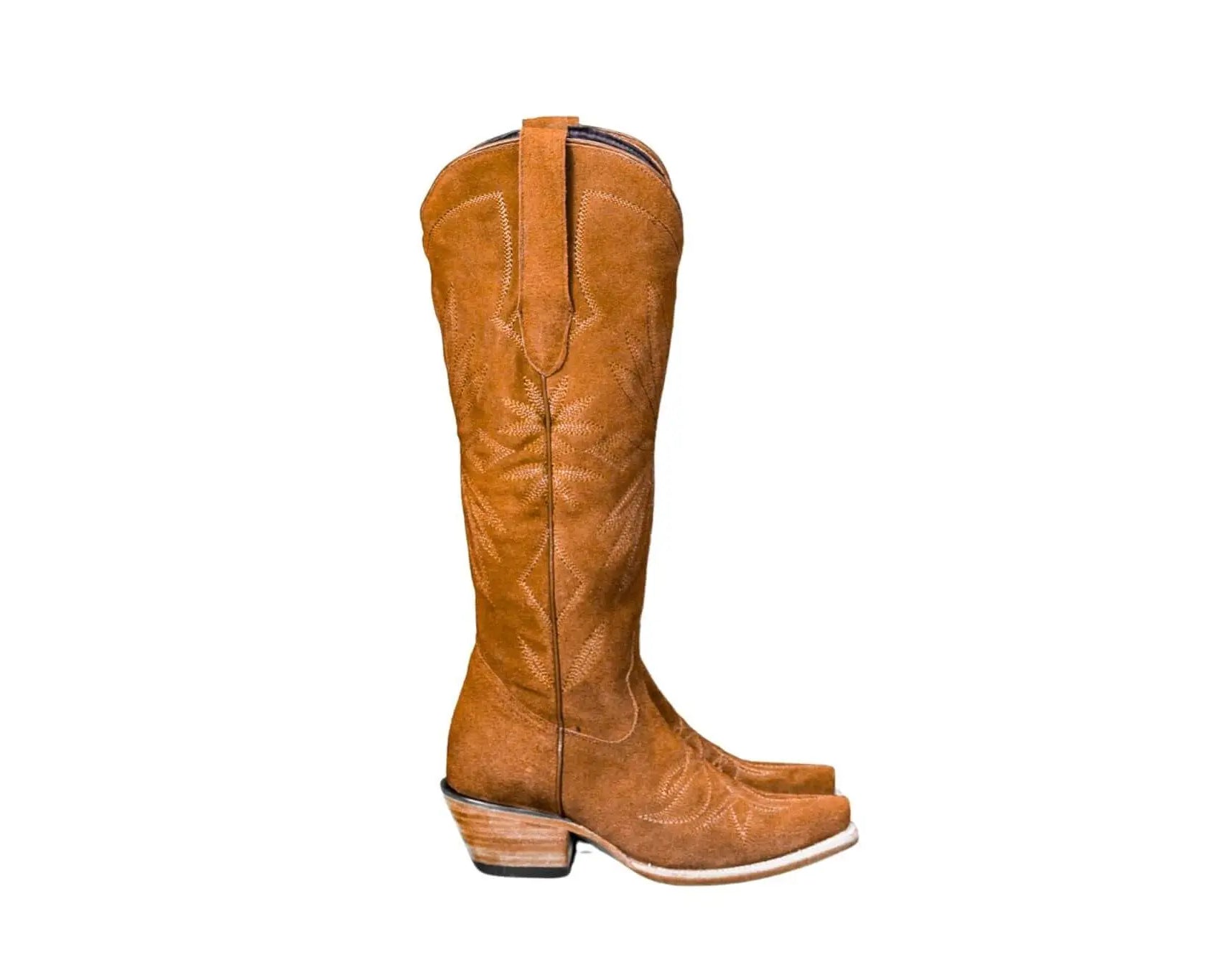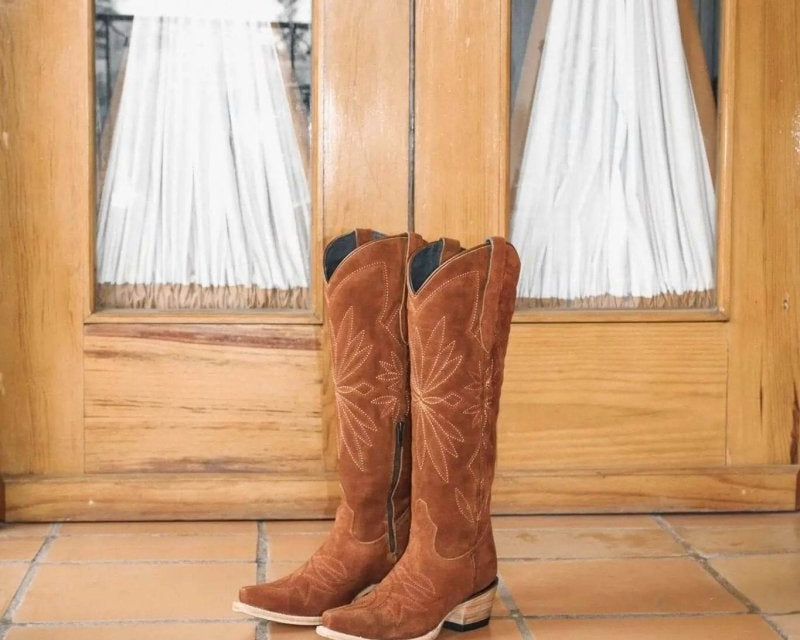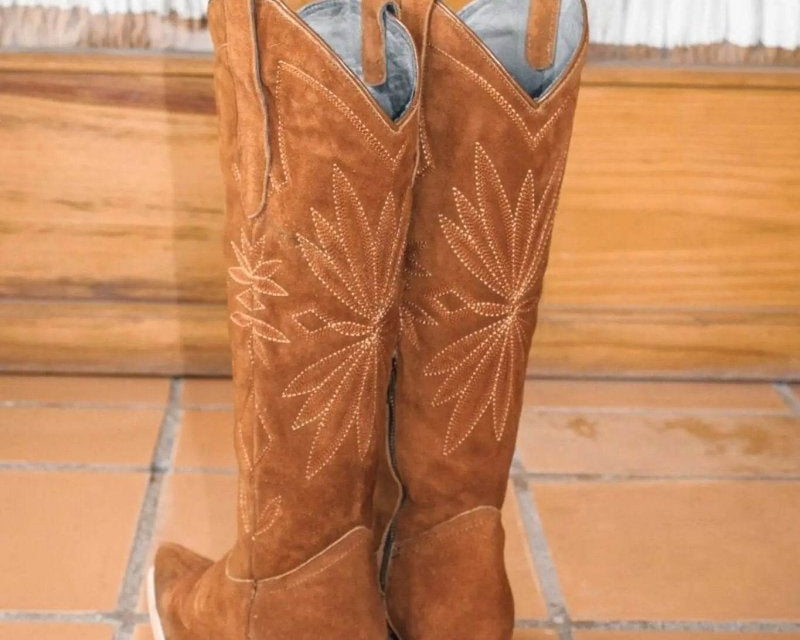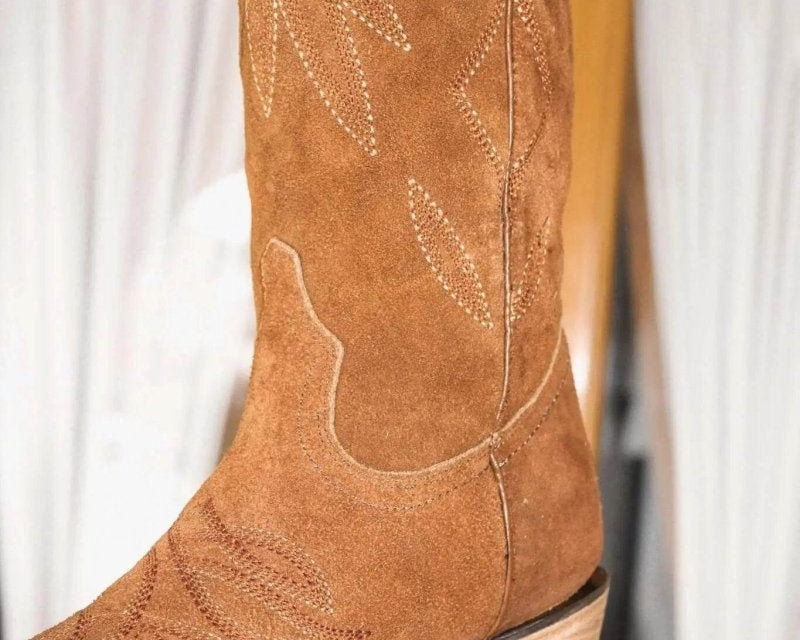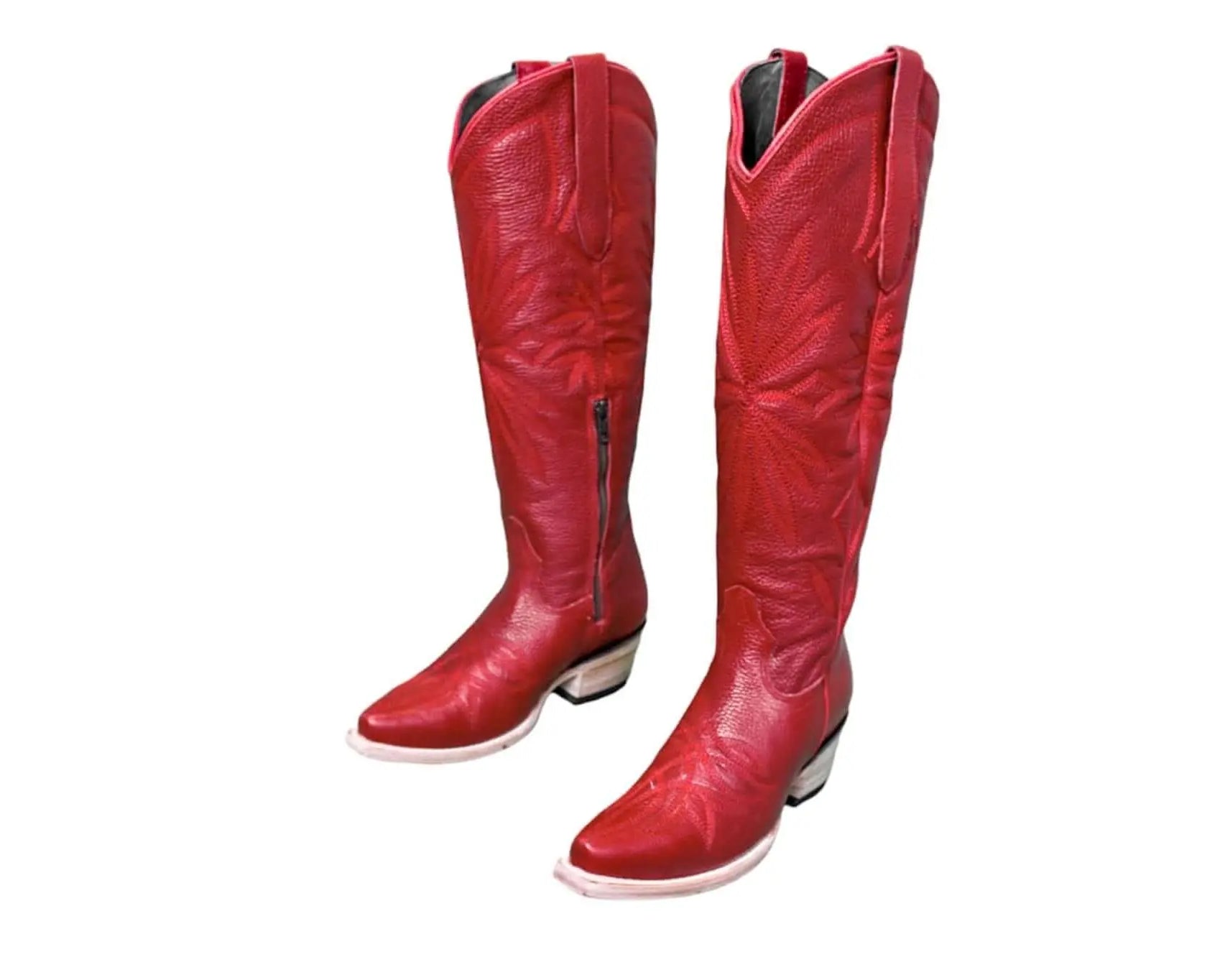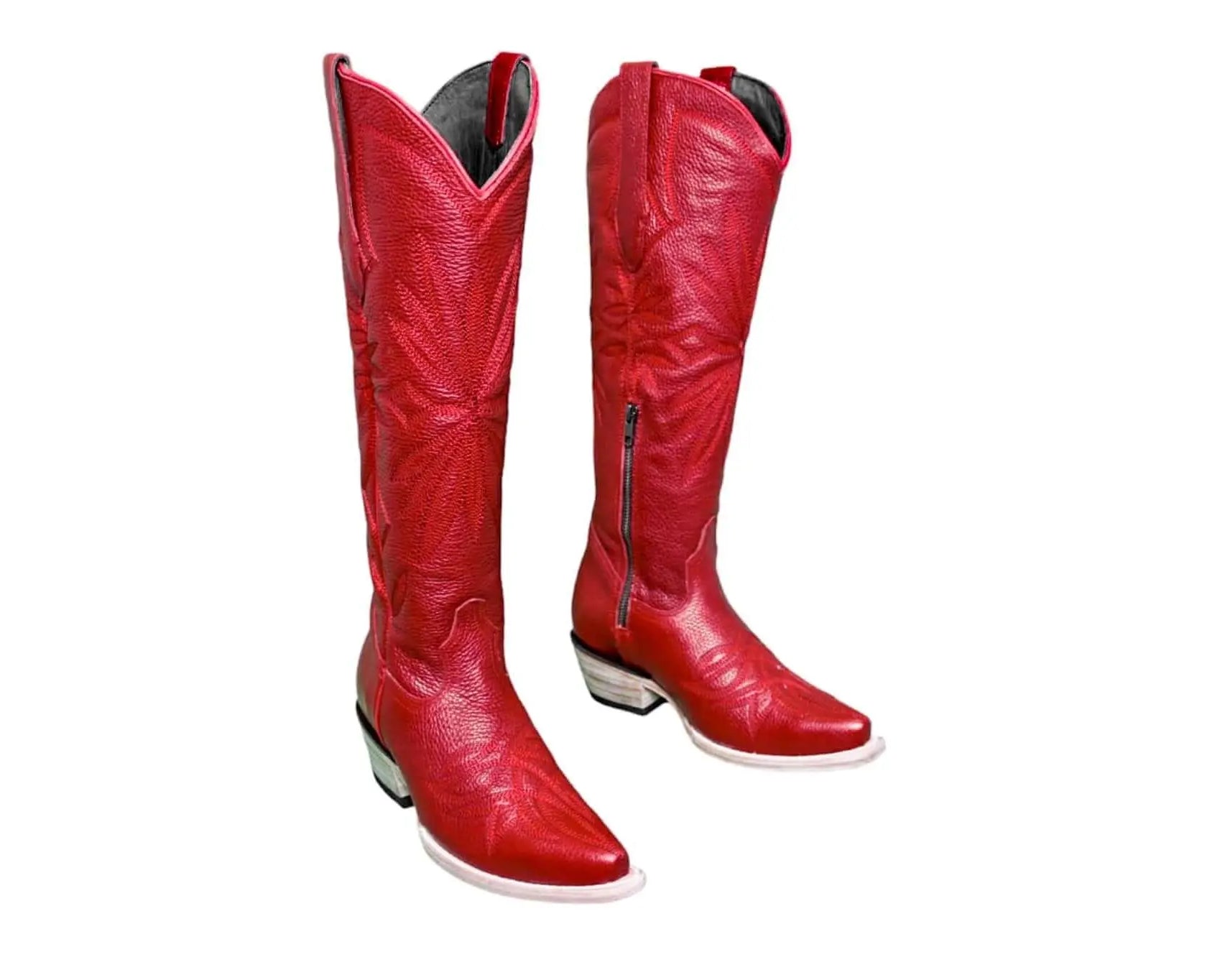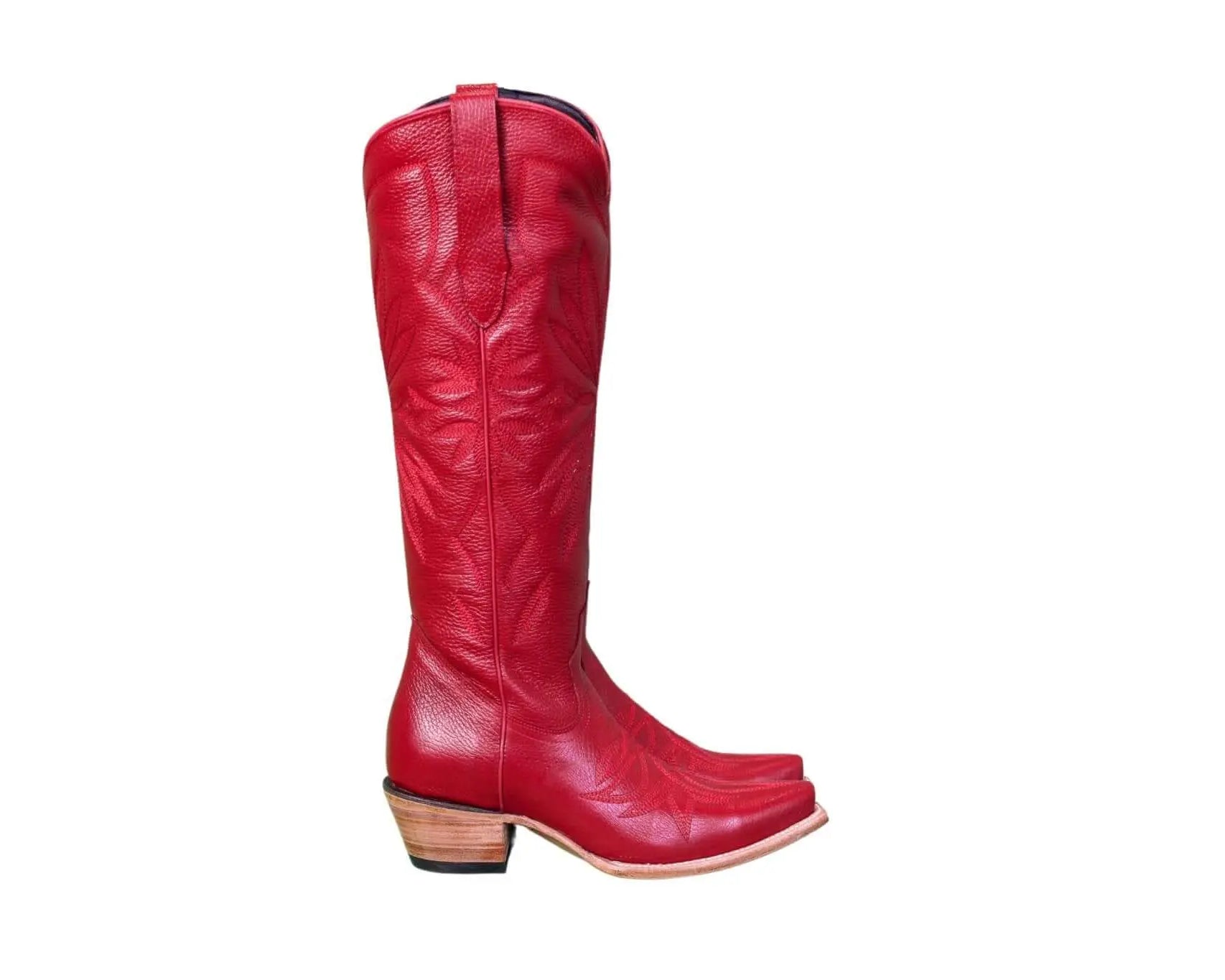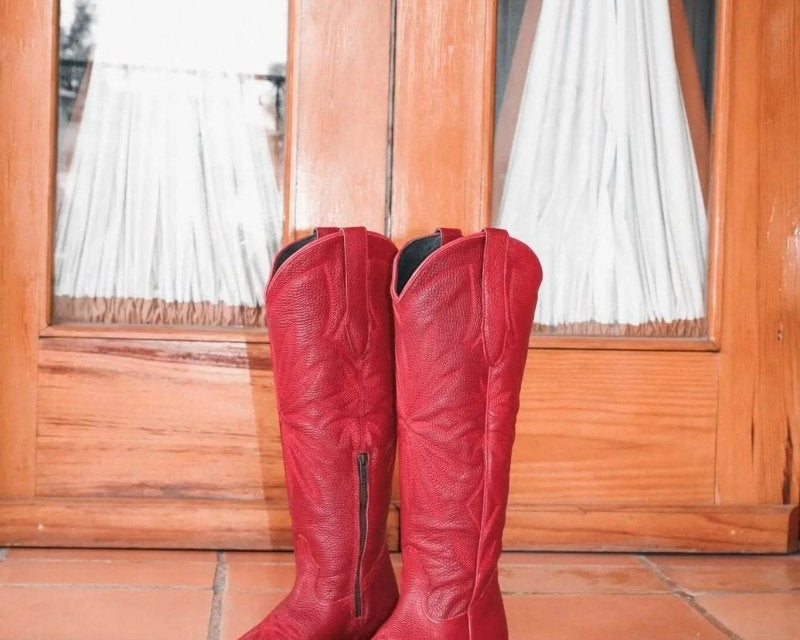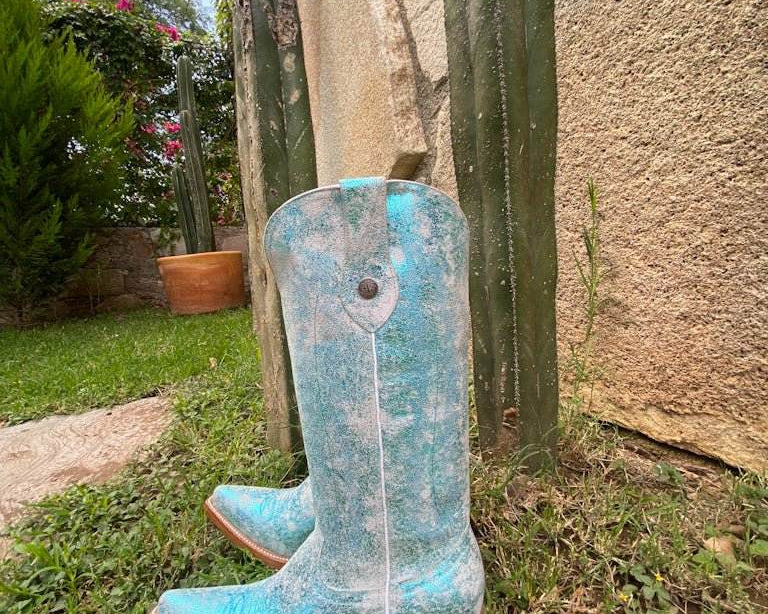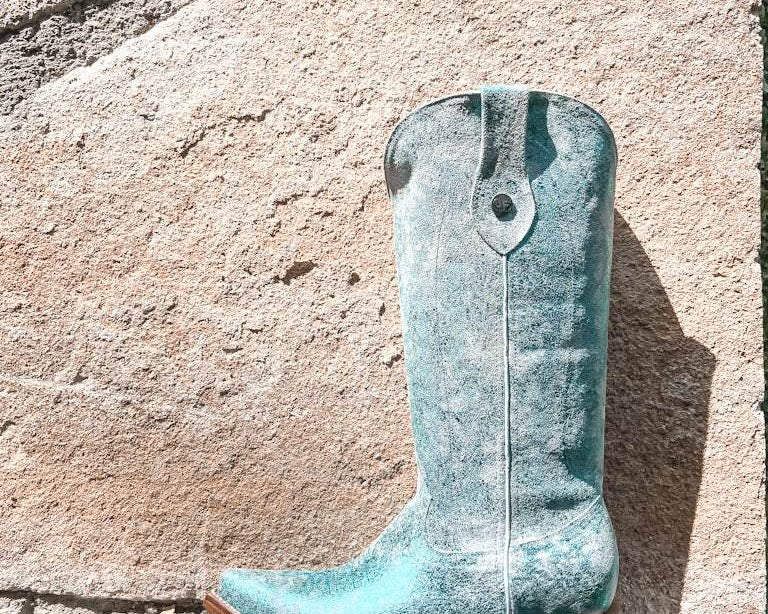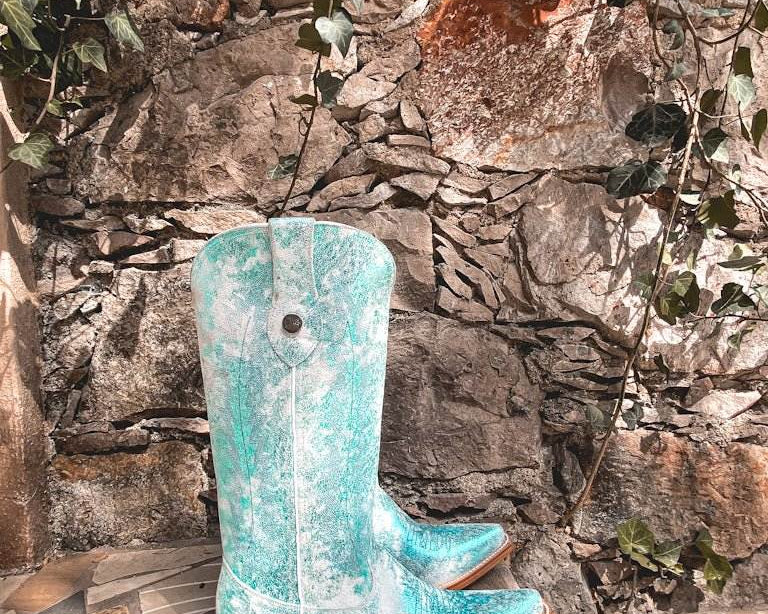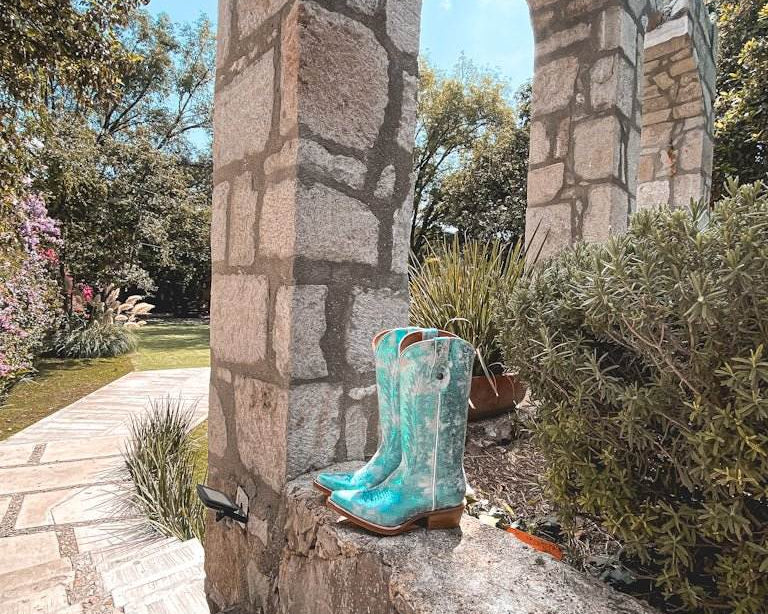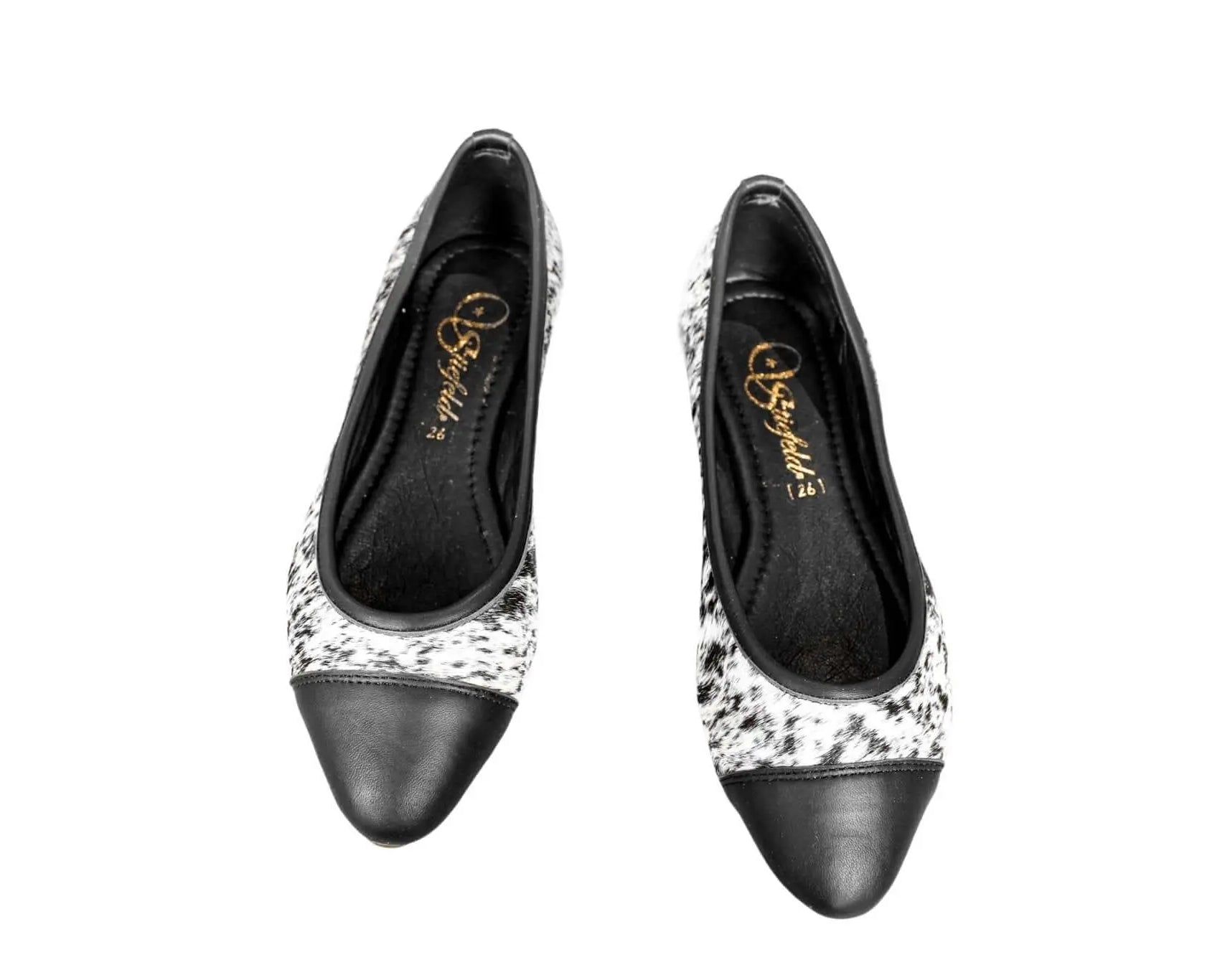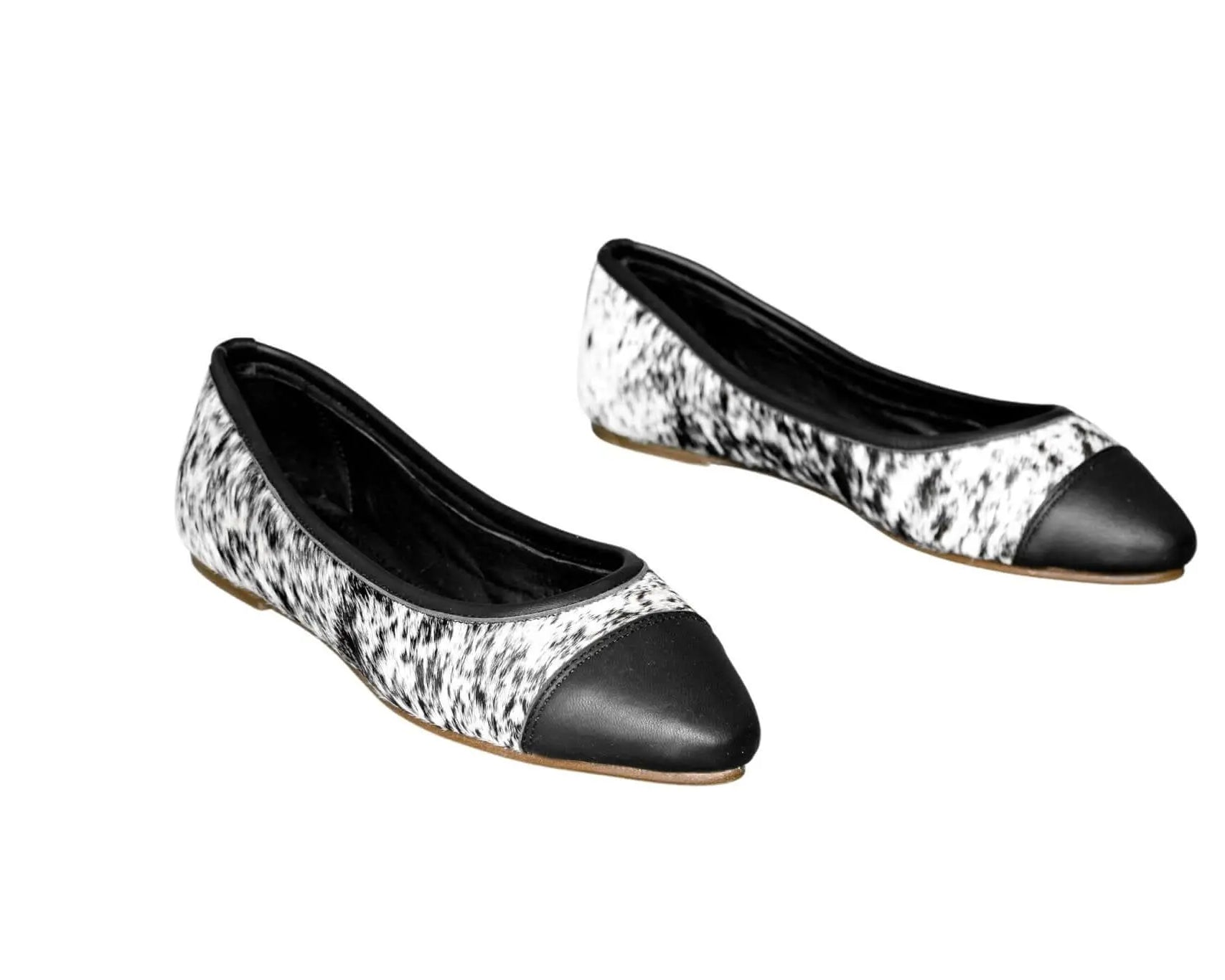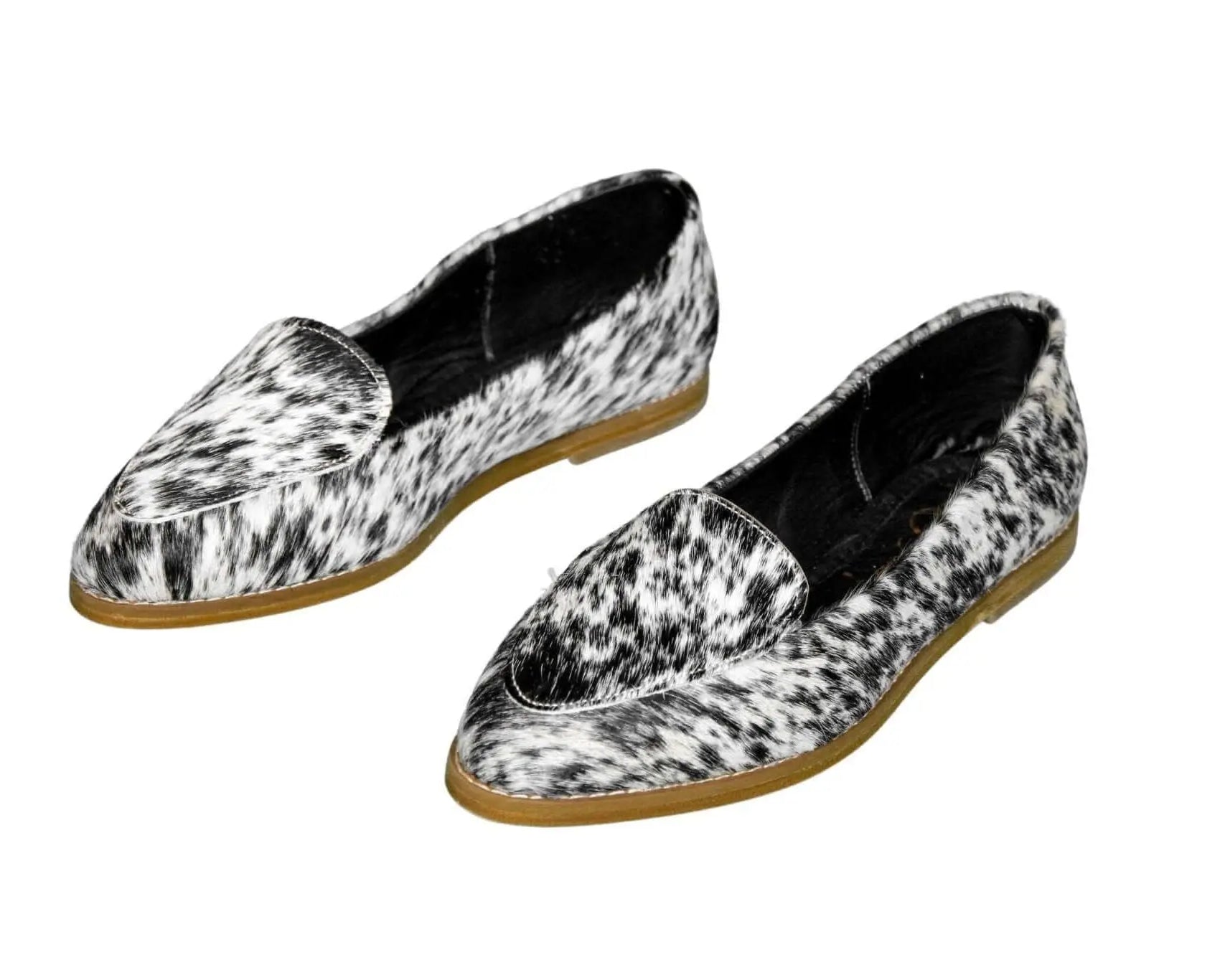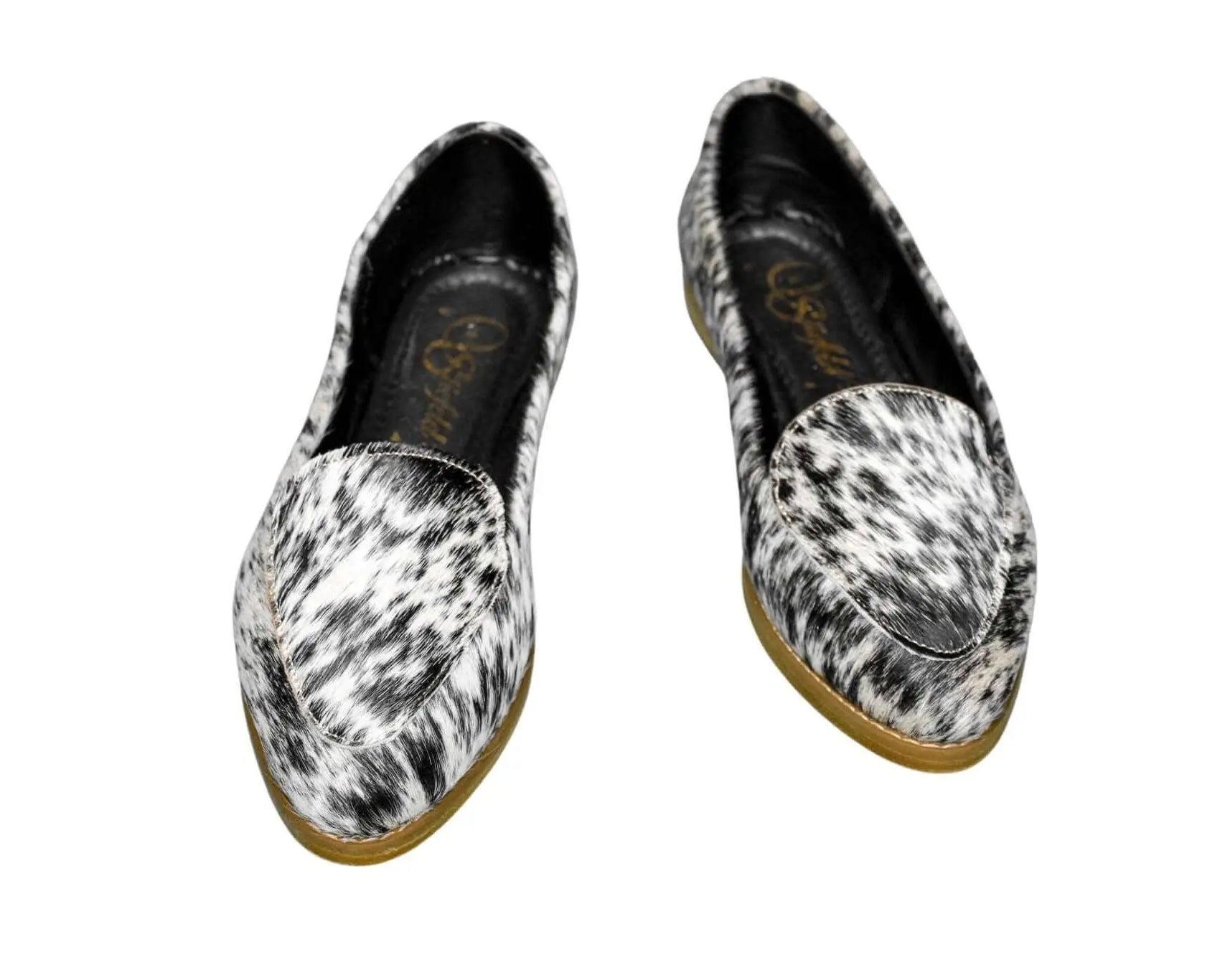

Durable cowhide boots are one of those purchases that feel expensive once and then pay you back every single season after that. While most shoes are designed with a shelf life in mind, a well-made pair of cowhide boots is designed to outlast the trend, the season, and in many cases, the decade.
If you have ever wondered whether the investment is actually worth it, this is the answer.
Why Most Shoes Are Not Built to Last
The footwear industry has a durability problem. The majority of shoes sold today are built with materials and construction methods that prioritize cost over longevity. Bonded leather that peels after a year. Glued soles that separate in wet weather. Synthetic uppers that crack before they break in.
This is not an accident. It is a business model. A shoe that falls apart in eighteen months is a shoe that gets replaced. The entire fast fashion framework depends on this cycle.
Cowhide boots sit entirely outside of that framework. The material, the construction, and the craft that goes into a genuine pair are fundamentally incompatible with planned obsolescence. A durable cowhide boot is built to be kept, resoled, conditioned, and handed down. The economics of it only make sense if the boot is meant to last.
What Makes Cowhide So Durable
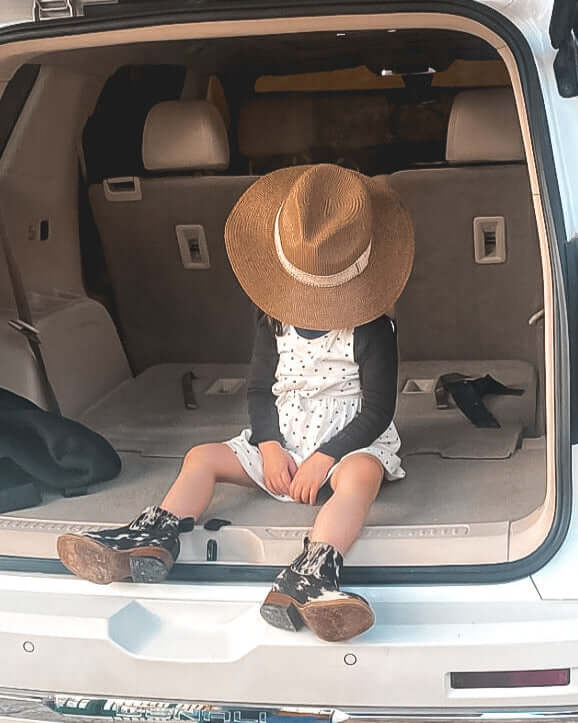
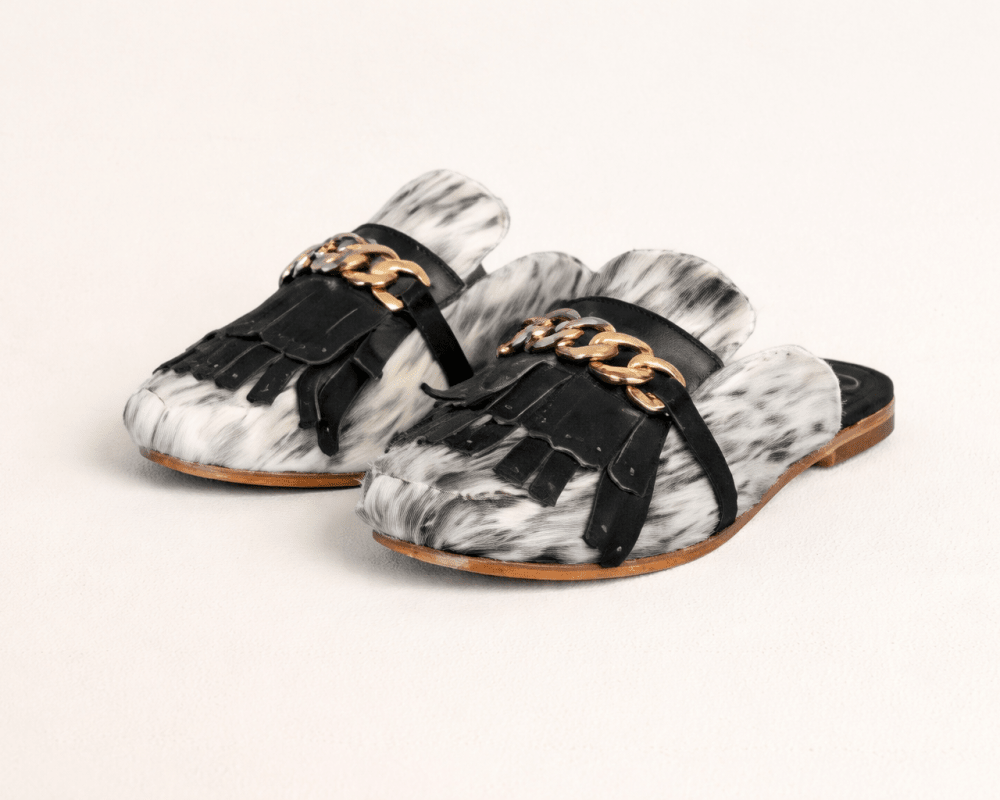
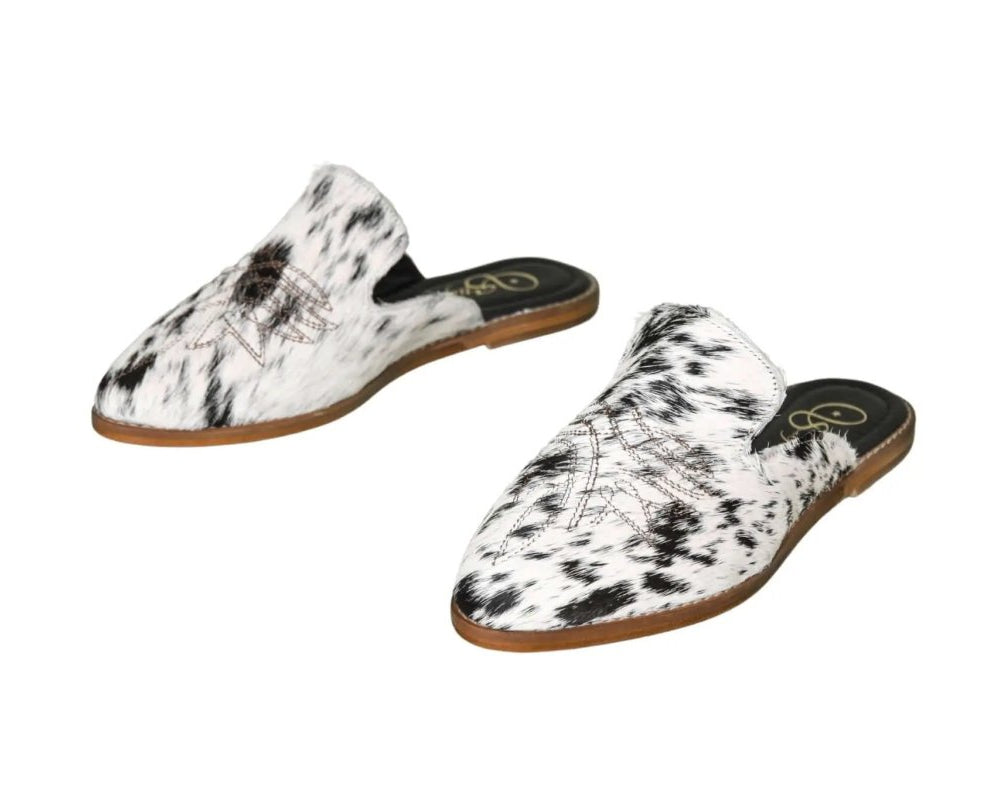
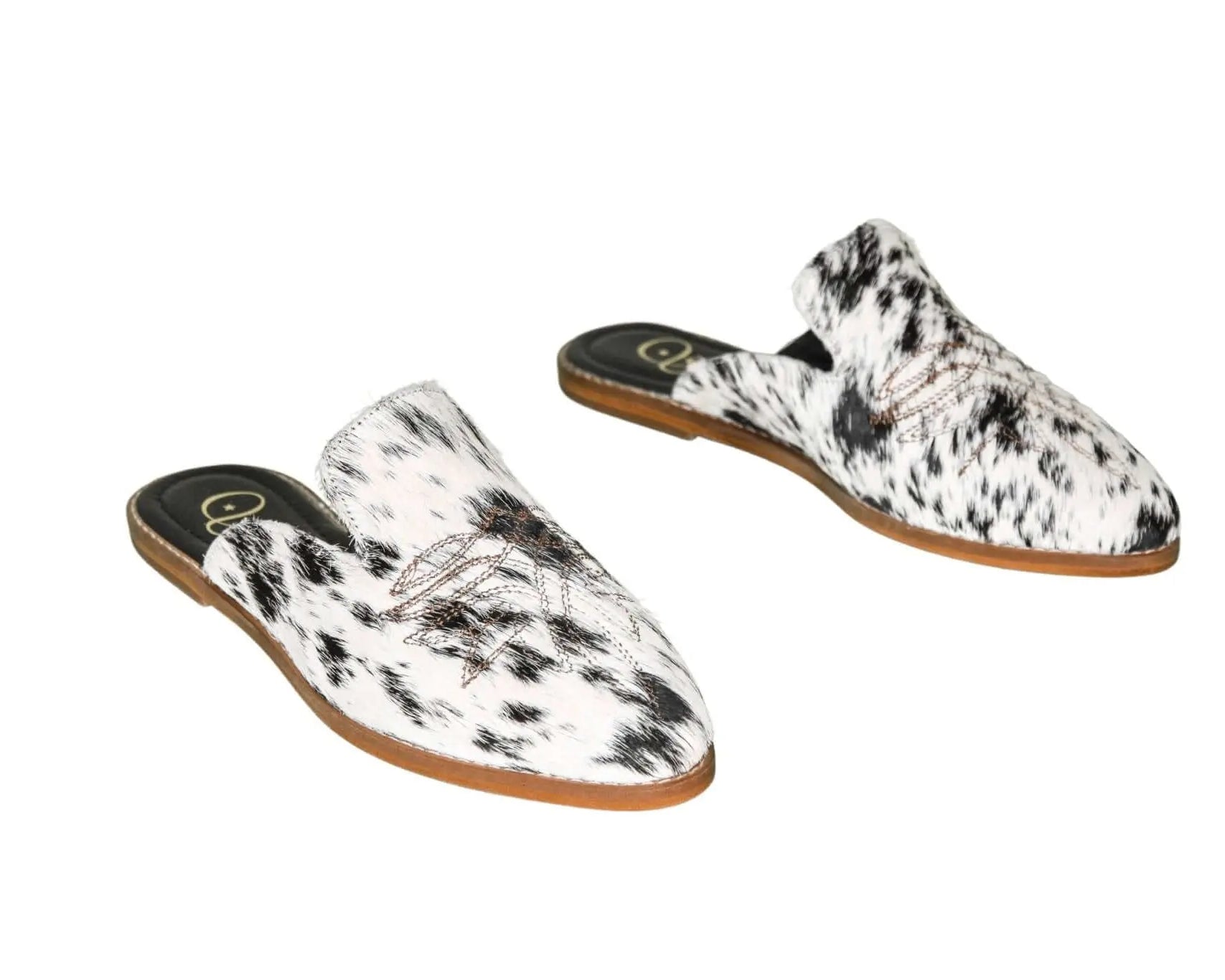
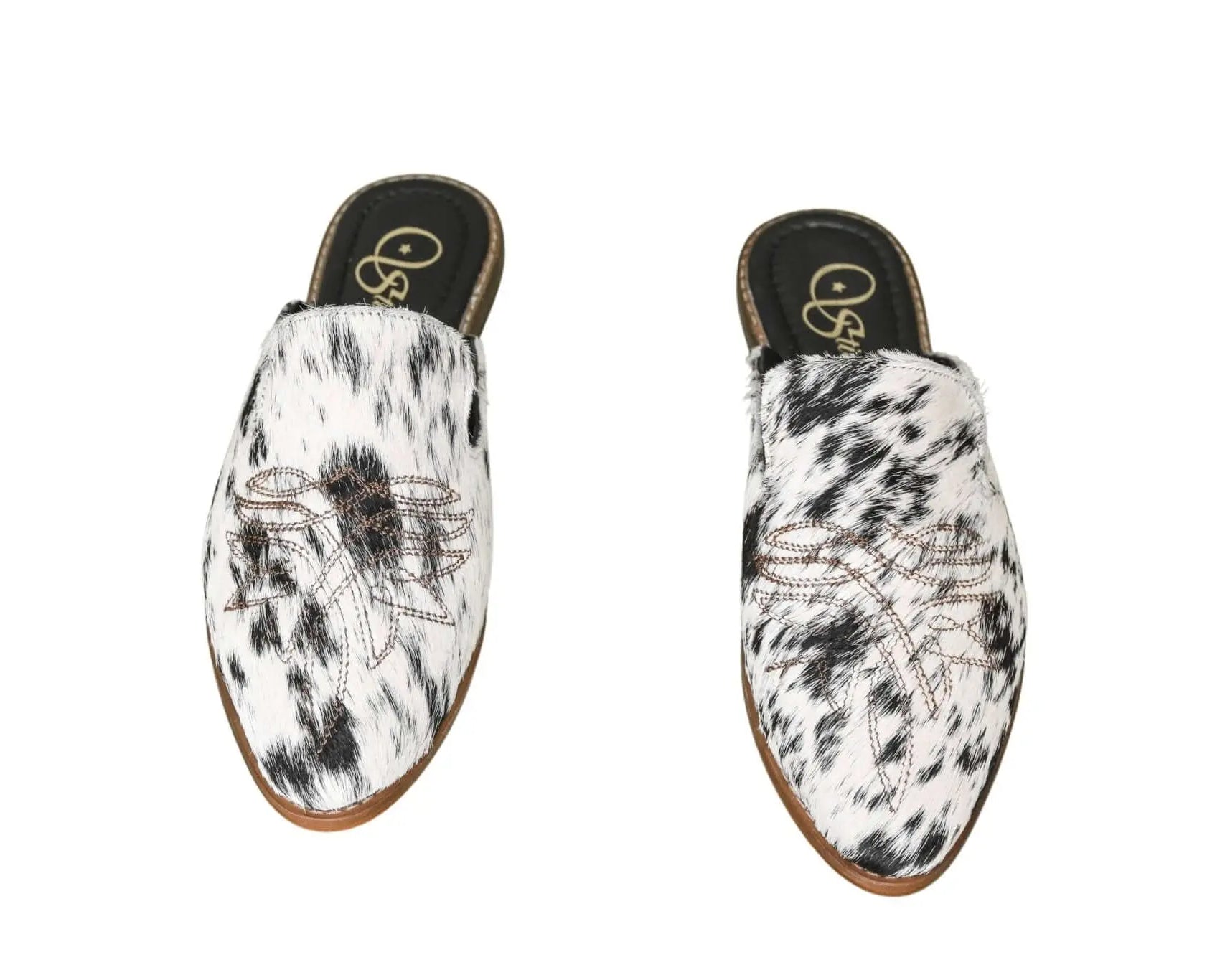
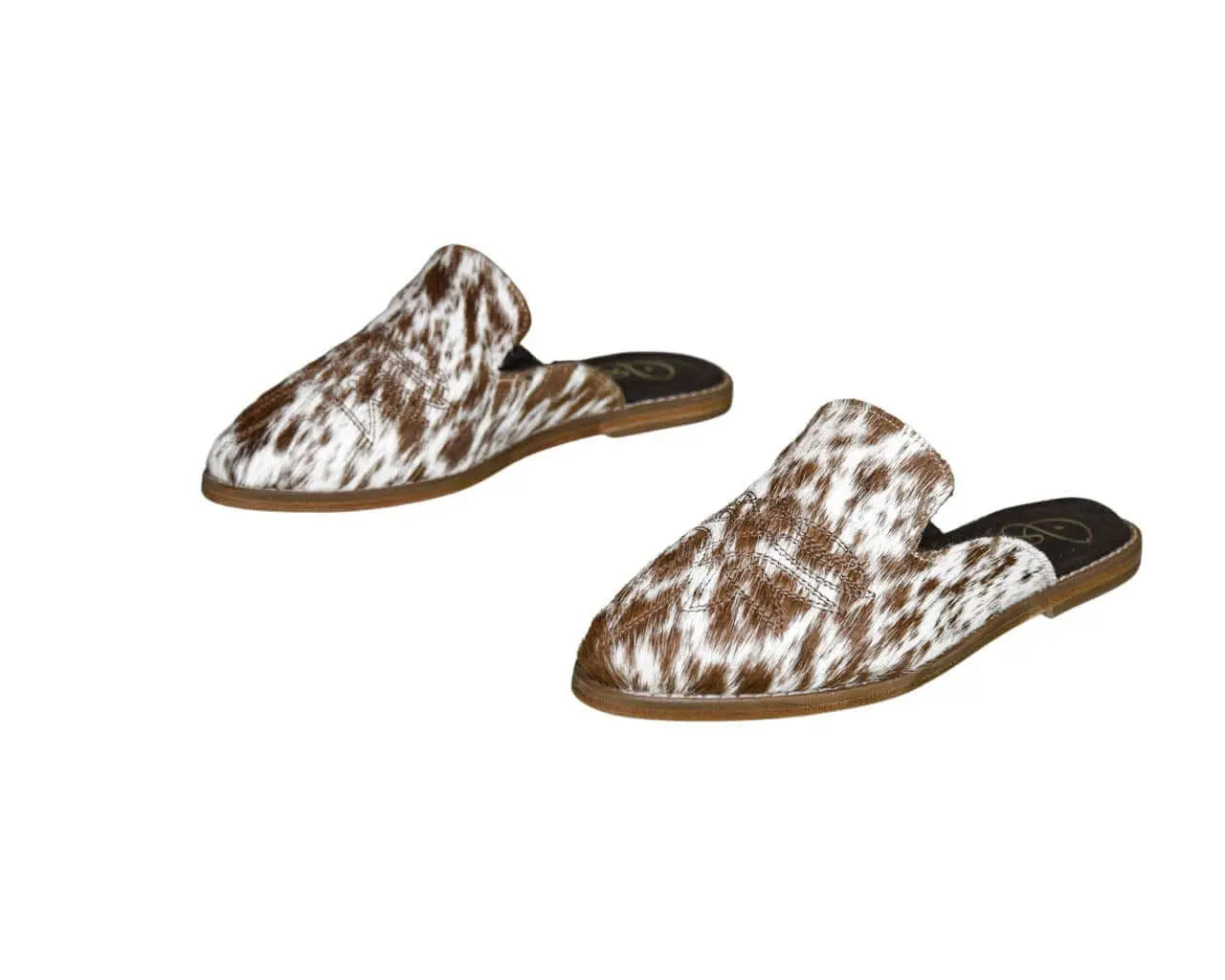
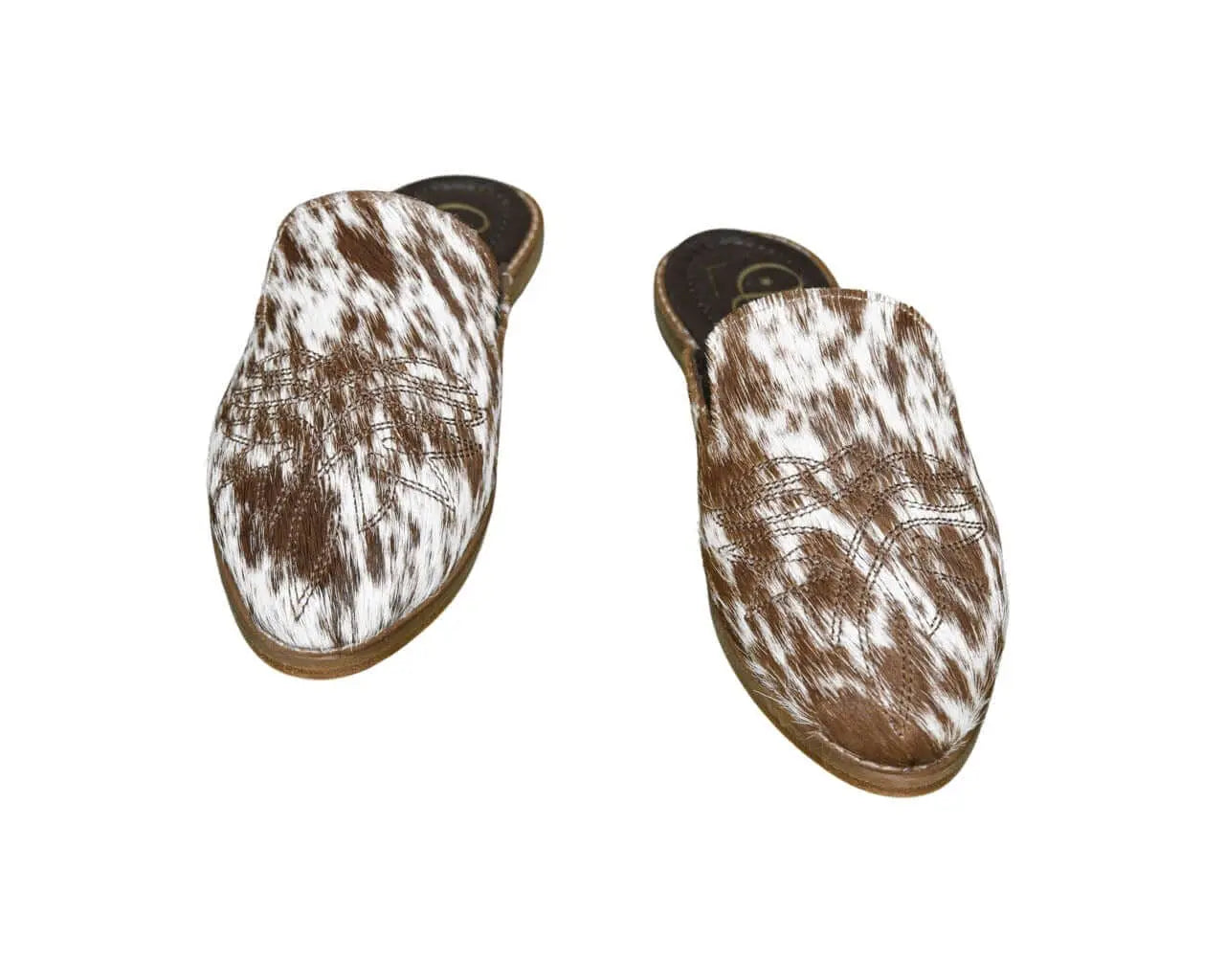
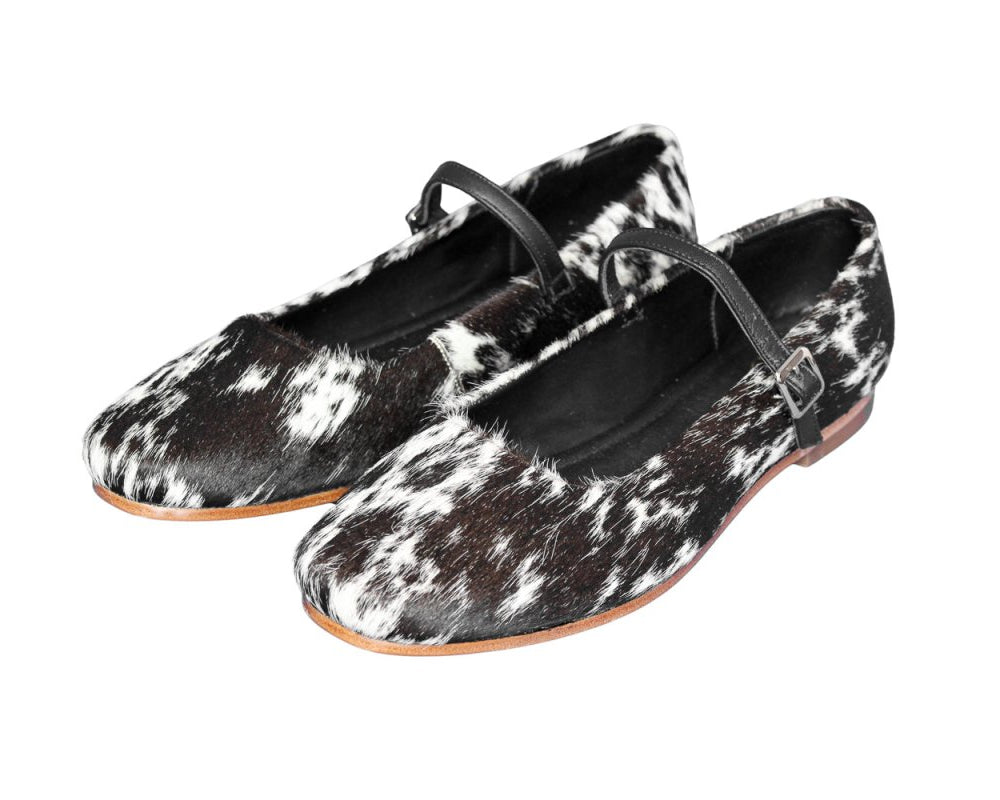
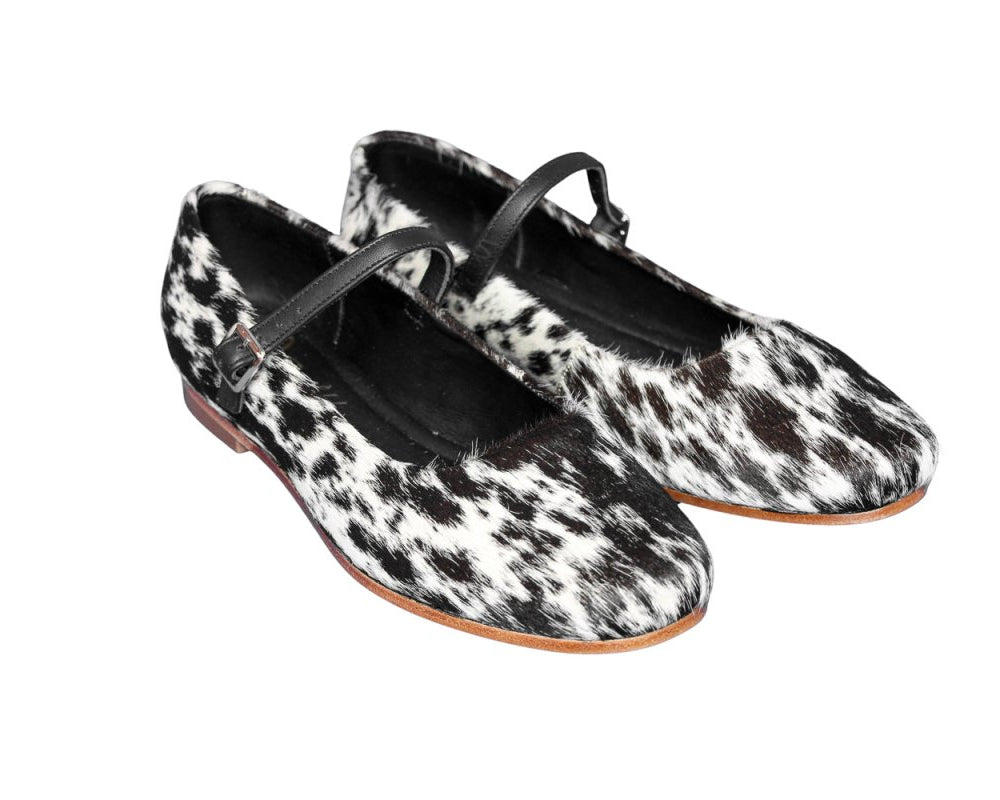
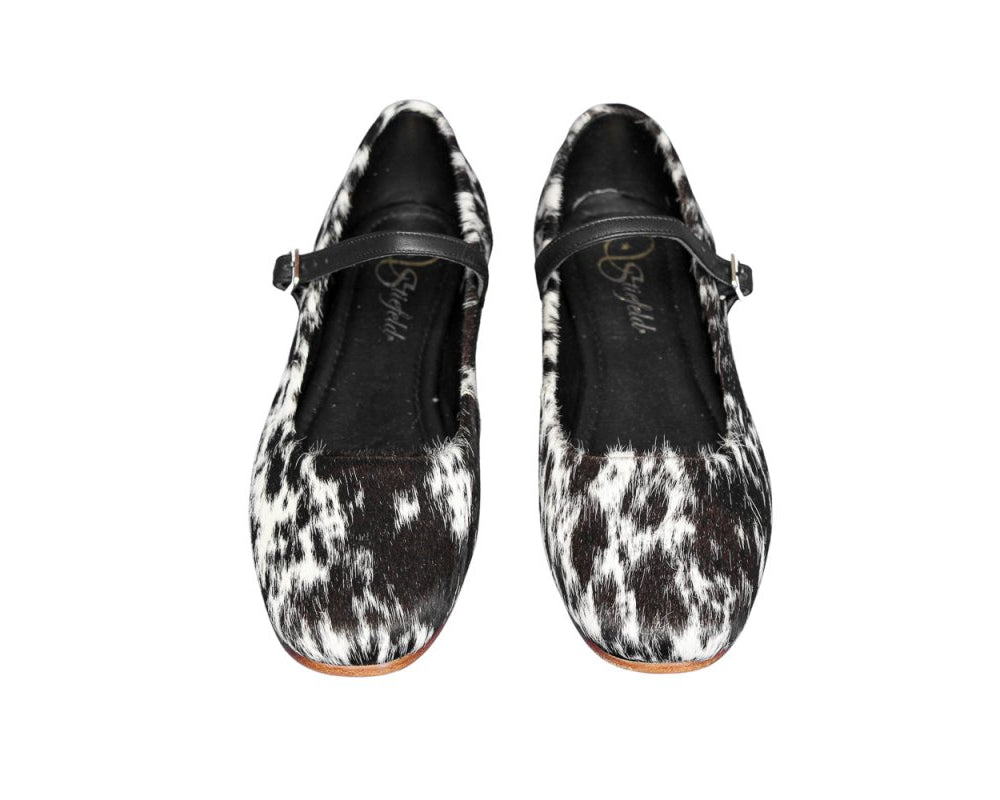
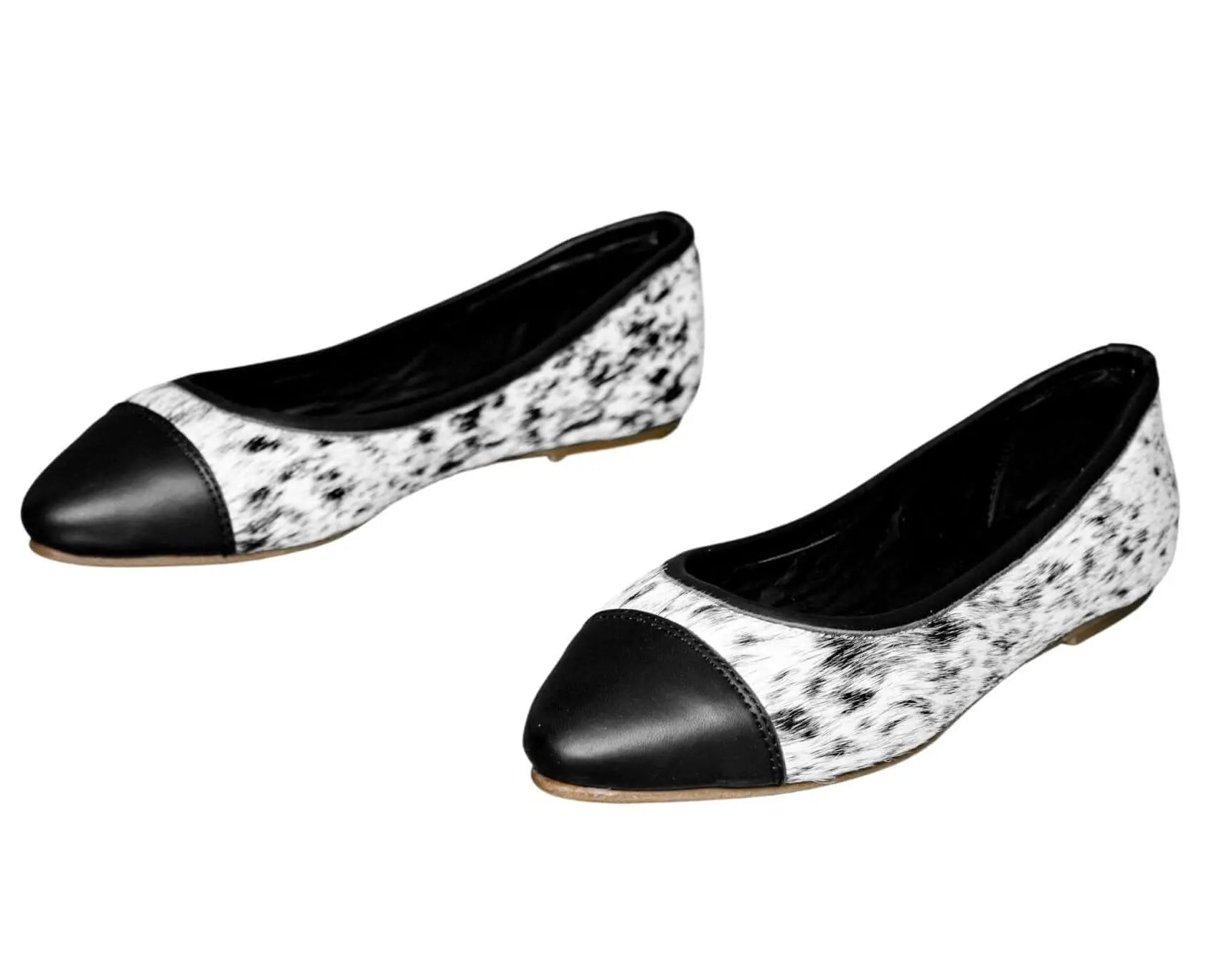
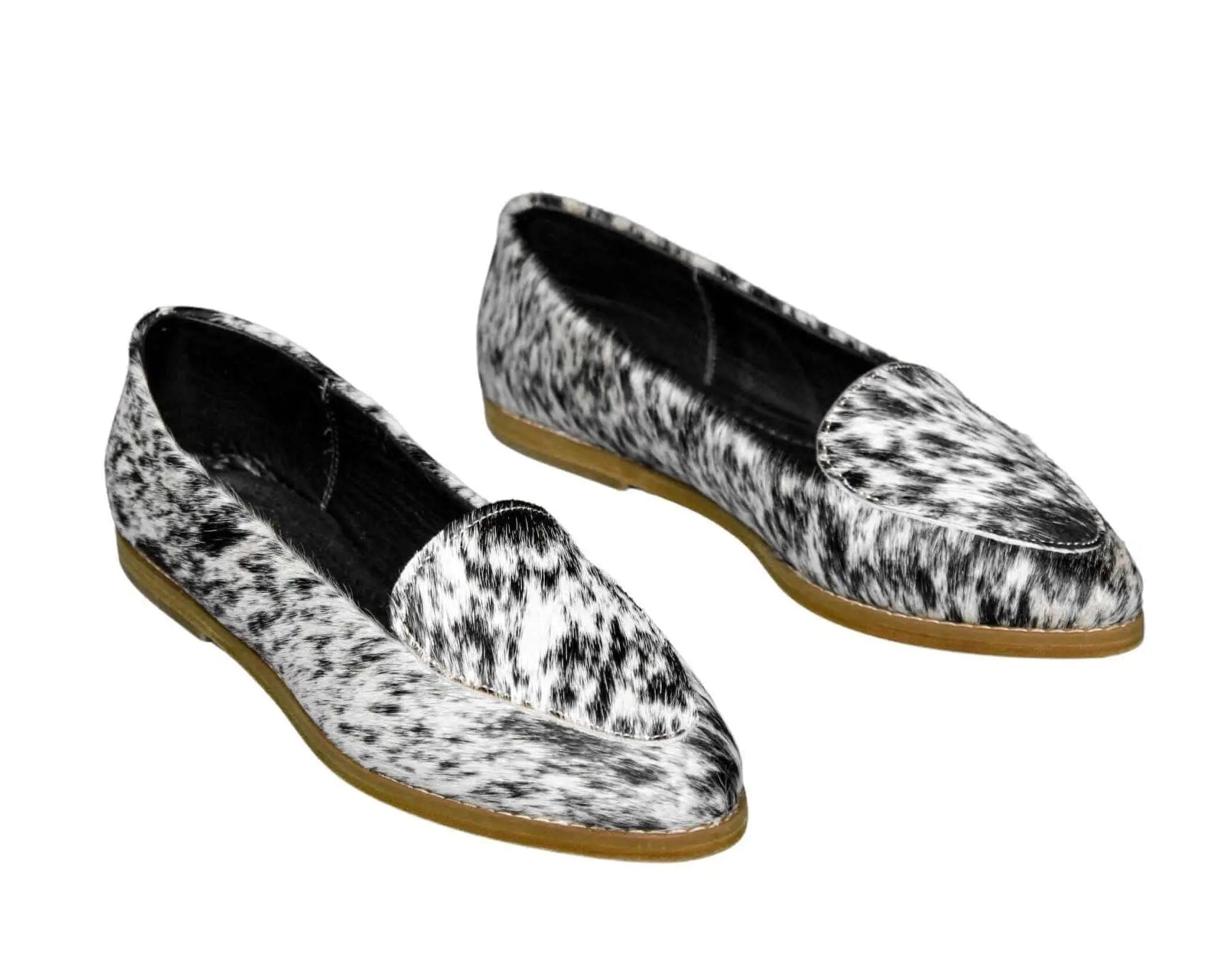
The durability of durable cowhide boots starts with the material itself. Hair on hide cowhide is one of the densest, most resilient natural materials used in footwear. The hide has been tanned to preserve the natural fiber structure of the leather while keeping the hair intact, which adds an additional layer of texture and protection to the upper.
Unlike smooth finished leather that can scuff and show wear easily, the hair on hide surface has a natural depth to it that absorbs minor abrasions without losing its appearance. Small marks that would show permanently on a finished leather boot simply disappear into the texture of the cowhide. Over time, the material develops a richness rather than a deterioration.
The other factor is density. Full grain cowhide, which is what goes into every pair of Stiefeld boots, uses the outermost layer of the hide. This is the tightest, most fiber-dense part of the animal. It does not split, peel, or delaminate the way corrected grain or bonded leather does. It breathes, it moves, and it holds its structure across years of regular wear.
Construction: Where Durability Is Actually Built
Material quality alone does not make a boot last. Construction method is equally important, and this is where most mass-produced footwear fails completely.
Every pair of Stiefeld boots is built with welt construction. In a welted boot, the upper, the welt, and the insole are stitched together before the outsole is attached. This means the sole can be removed and replaced when it wears down without compromising the integrity of the boot itself. You are not buying a boot that lasts until the sole wears out. You are buying a boot that can be resoled indefinitely.
Glued construction, which is the standard in most commercial footwear, does not allow this. When the sole separates or wears through, the boot is done. Welt construction changes the math entirely. The boot becomes a long-term relationship, not a transaction.
The Aurora: Built Around This Standard
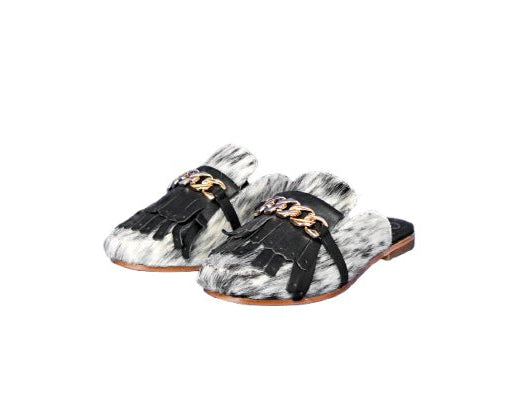
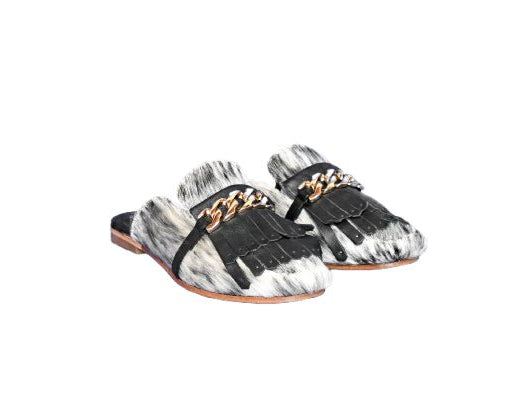
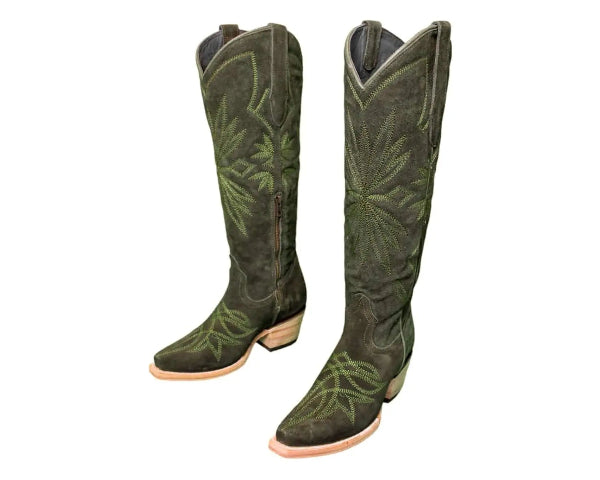
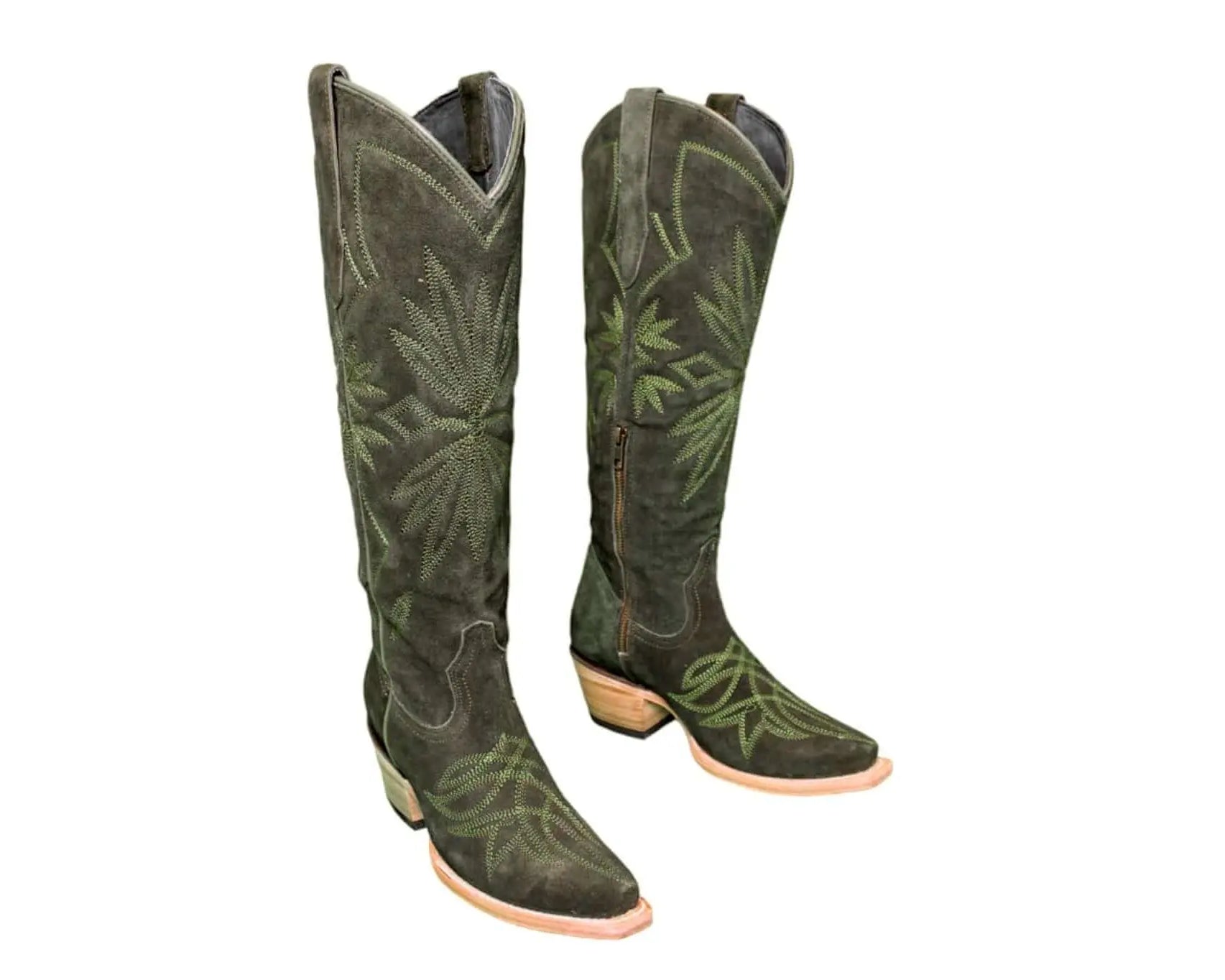
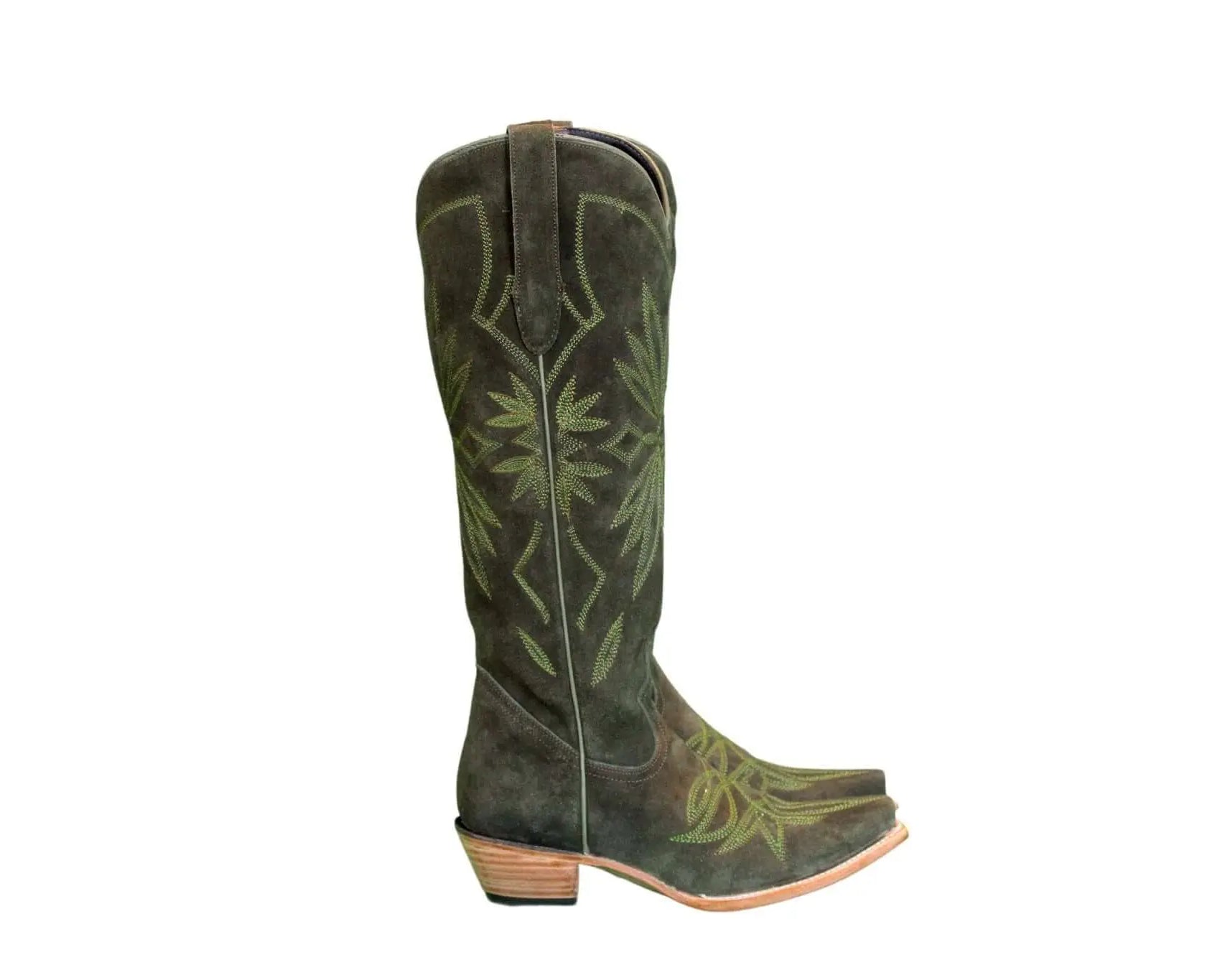
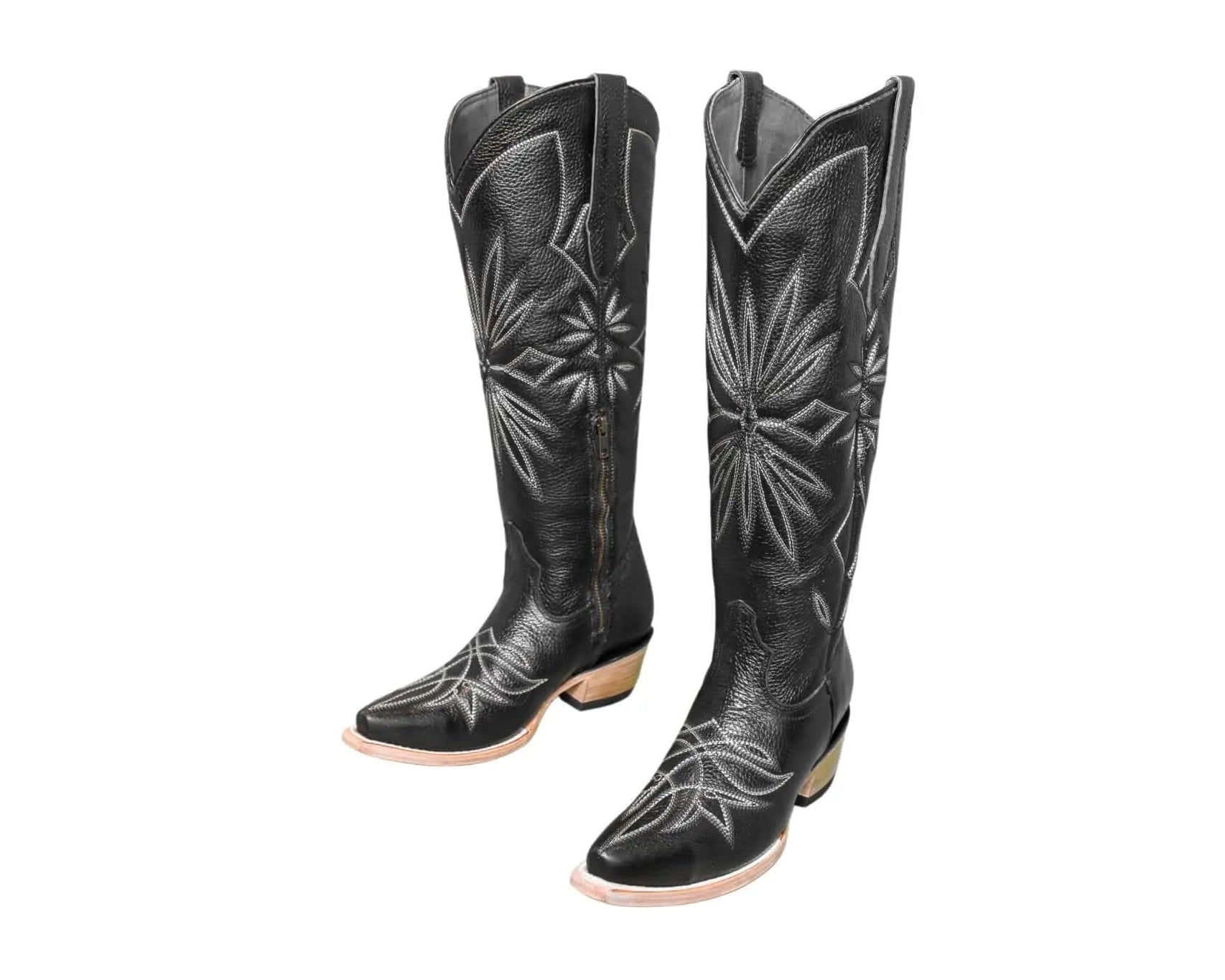
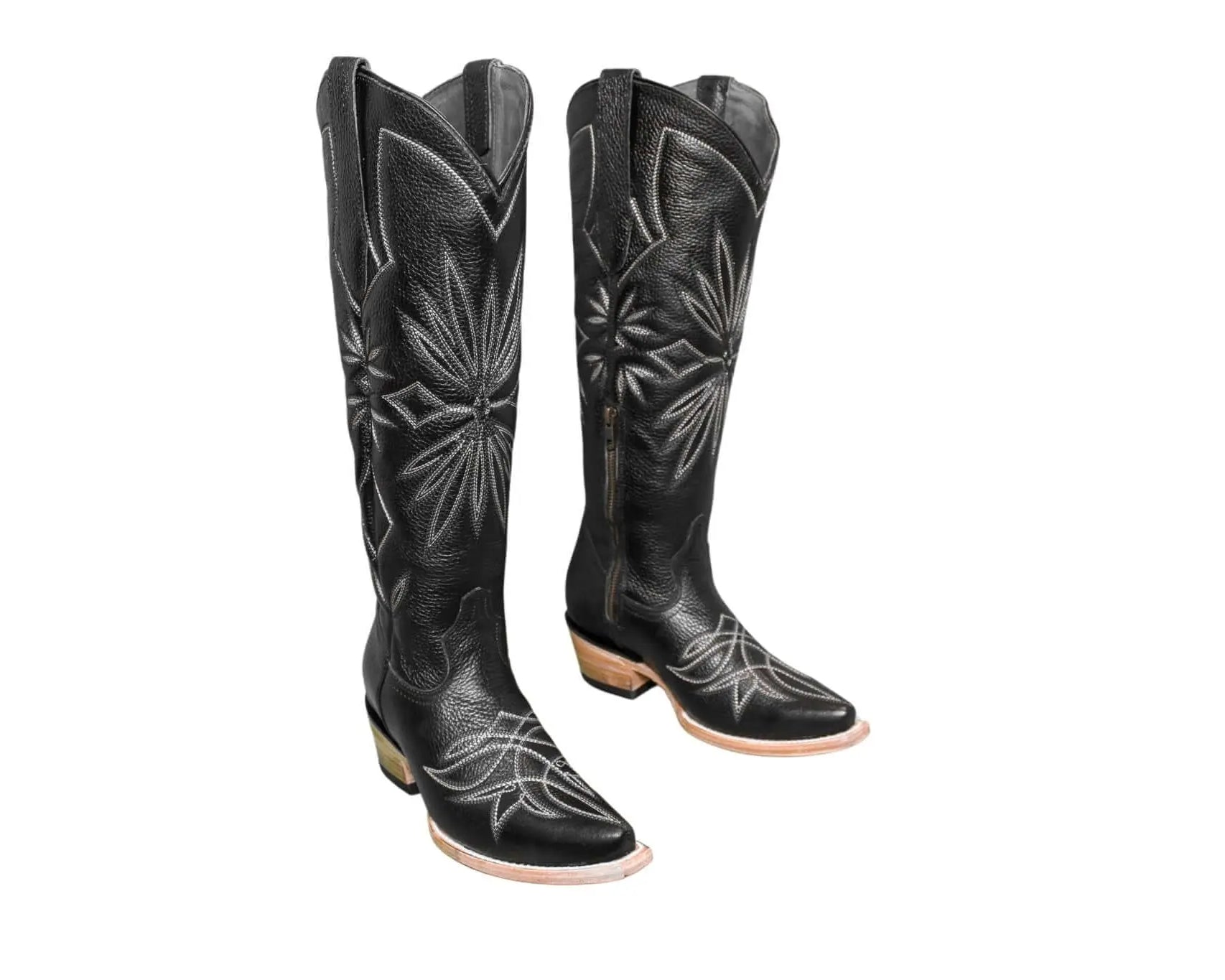
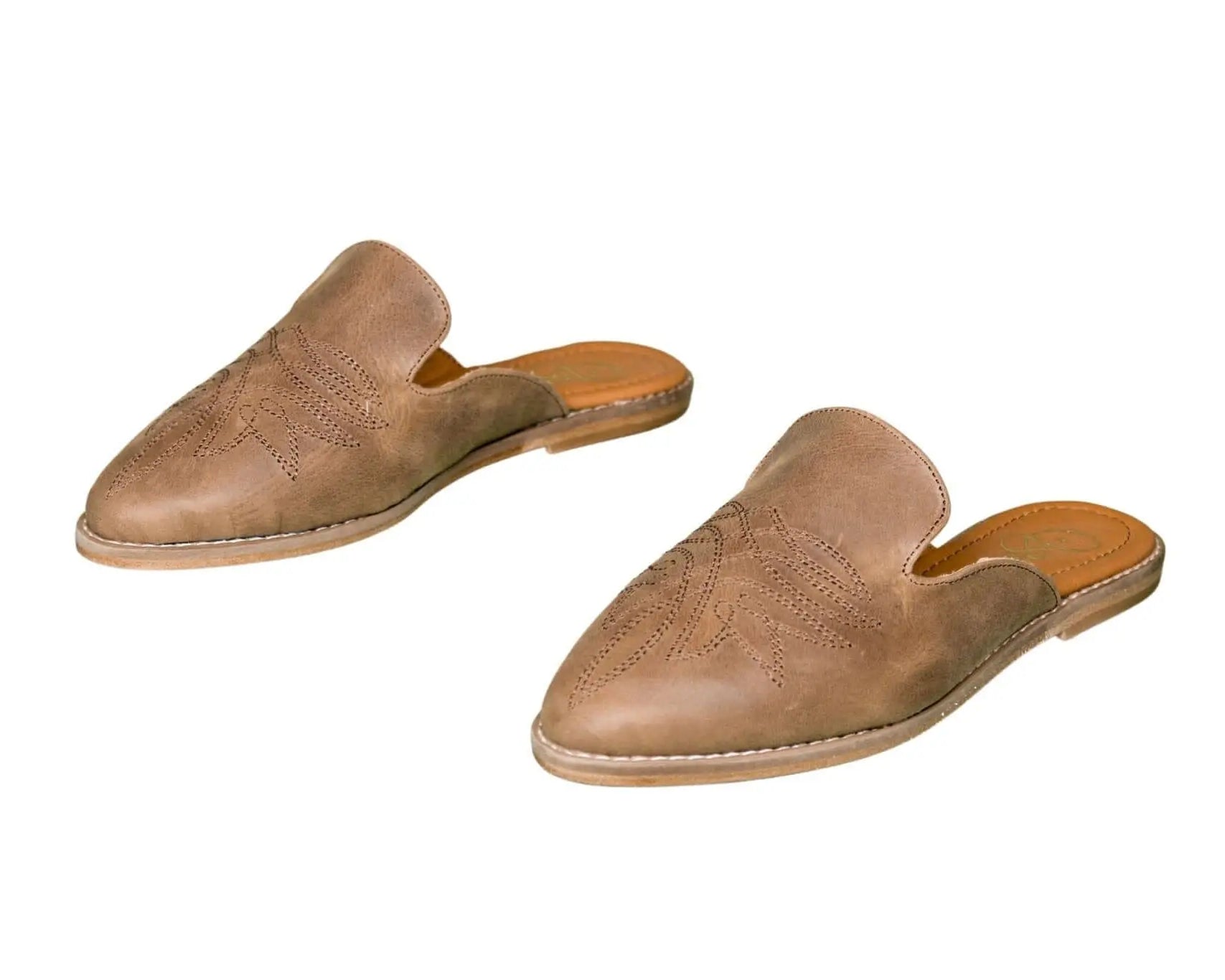
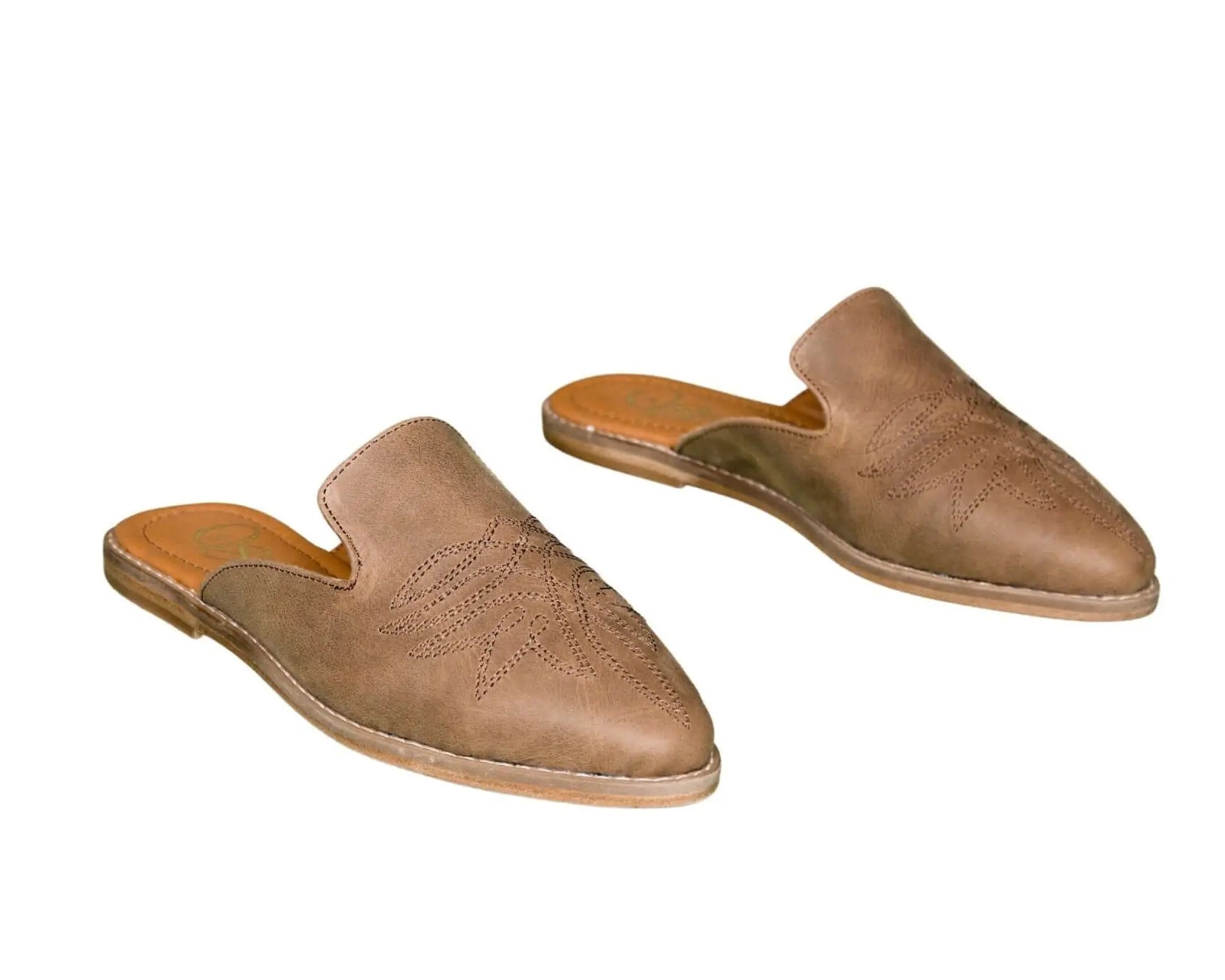
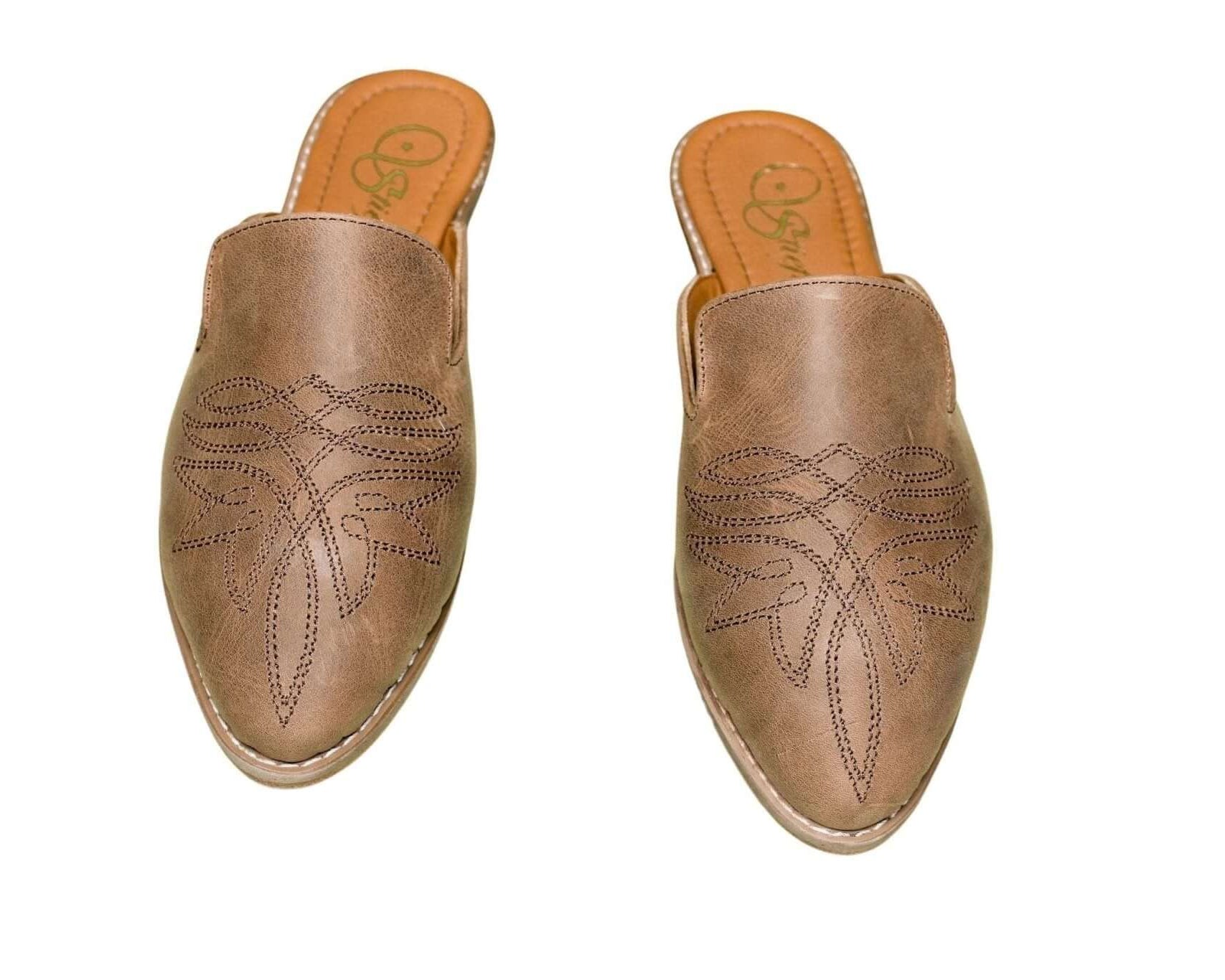
The Aurora Hair on Hide Ankle Boot is the clearest expression of what durable cowhide boots look like in practice at Stiefeld.
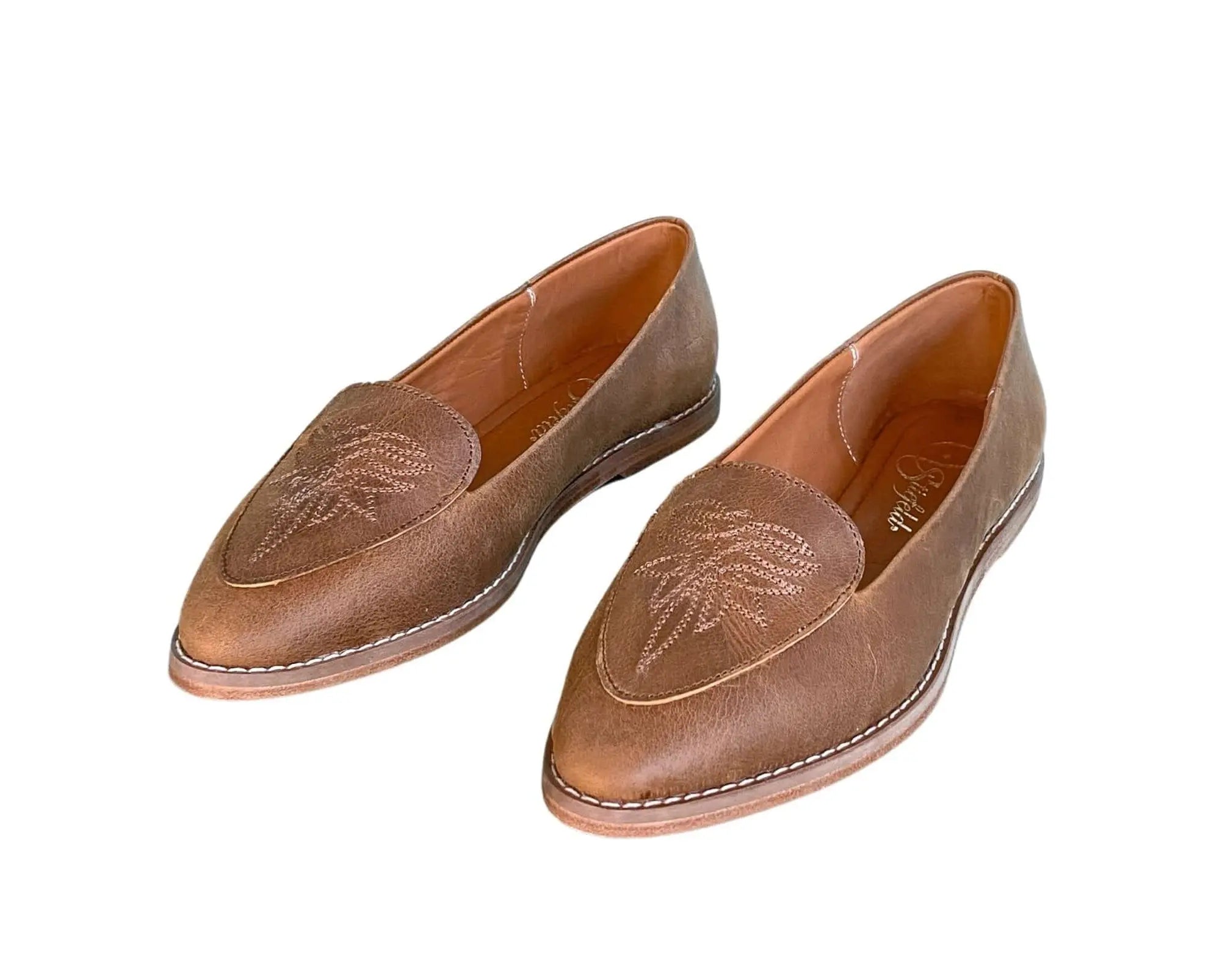
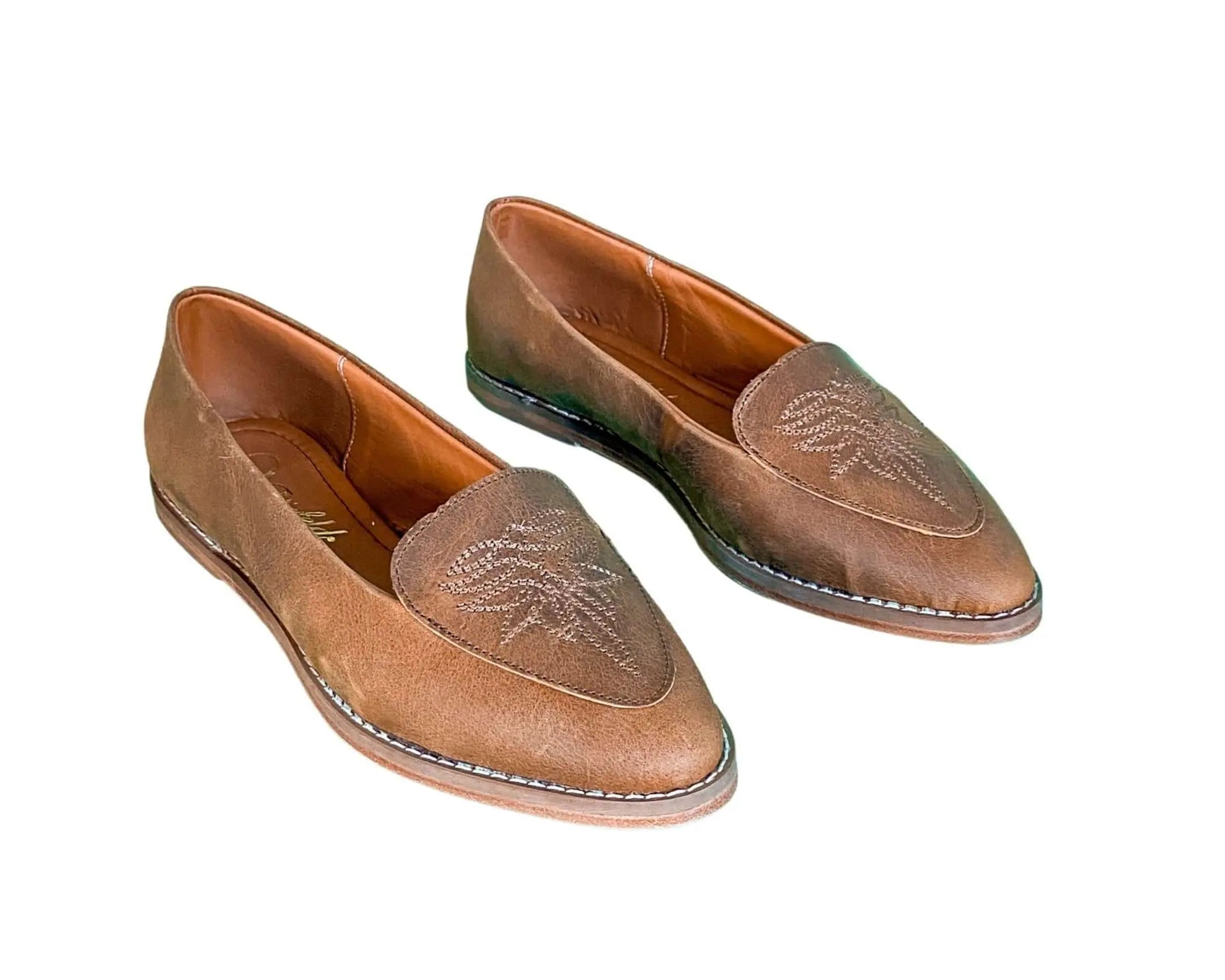
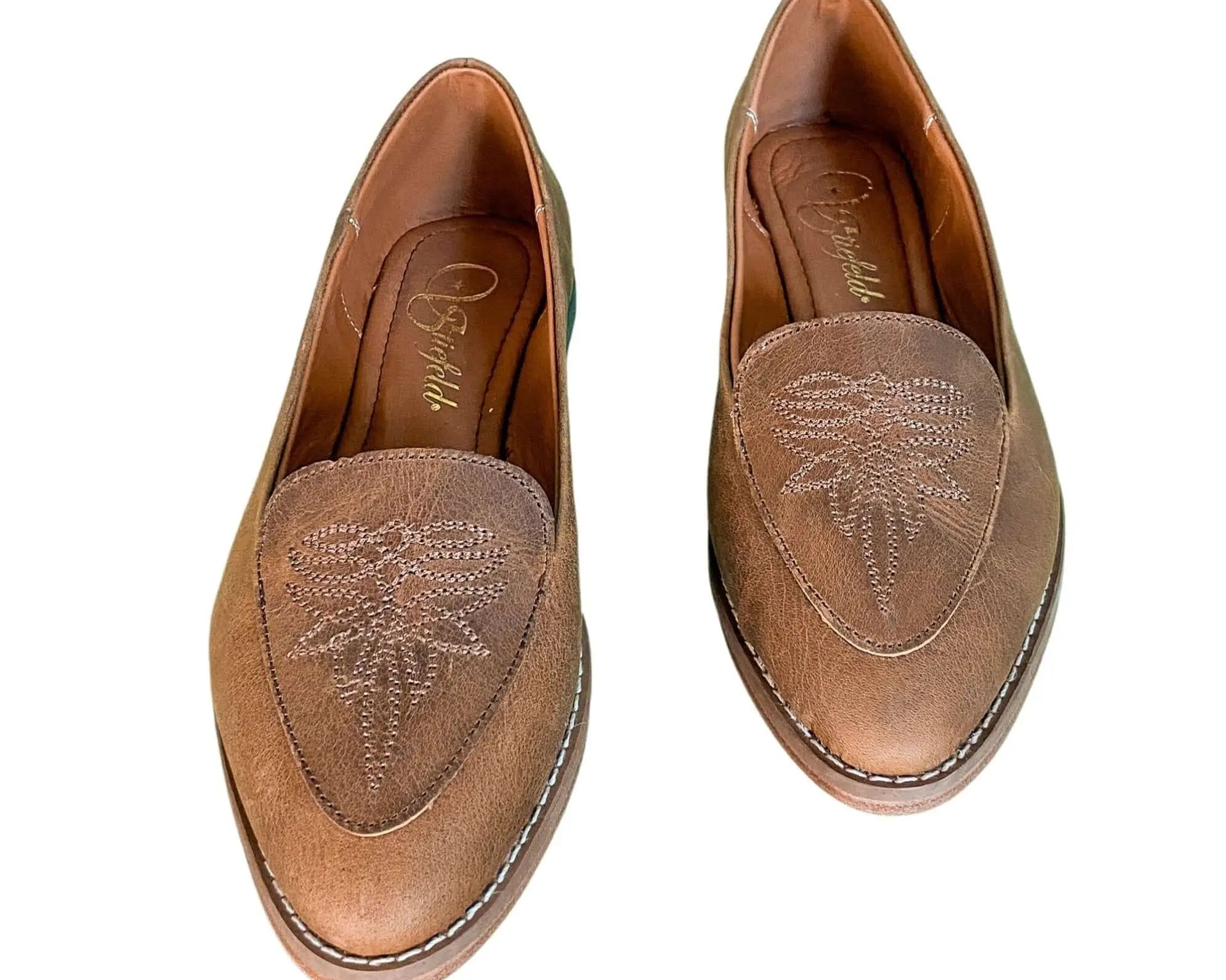
Every Aurora is made in León, Mexico by craftspeople who have spent years working with cowhide and traditional welt construction. The upper is genuine hair on hide cowhide, sourced for the depth and density of the hide rather than its surface appearance. The lining is bovine leather. The insole is padded and full-length. The outsole is stitched, not glued.
The result is a boot that breaks in to the shape of your foot over the first few wears and then holds that shape for years. The cowhide upper does not crack or peel. The sole can be replaced when it eventually wears down. The construction does not have a built-in expiration date.
And because every Aurora is individually photographed before it ships, the pair you receive is the exact pair you see. The cowhide pattern is completely unique to your pair. No two Auroras look exactly alike, which means the boots become more personal, not more generic, over time.
How to Make Cowhide Boots Last Even Longer
A well-made boot still needs basic care to reach its full lifespan. Here is what actually matters.
Condition the leather regularly. Cowhide responds well to conditioning. Use a leather conditioner every few months to keep the hide supple and prevent drying or cracking in the sole area. Avoid petroleum-based products, which can break down the natural oils in the leather over time.
Rotate your boots. Wearing the same pair every day does not give the leather time to breathe and recover between wears. Rotating between two or three pairs extends the life of each significantly.
Store them correctly. Cedar boot trees or rolled newspaper inside the shaft keep the boot in shape between wears. Avoid storing in plastic, which traps moisture.
Resole before you have to. The best time to resole a boot is before the sole wears through to the welt. Once the welt is damaged, the repair becomes more complex and expensive. A cobbler can resole a welted boot for a fraction of the cost of a new pair.
Keep them dry. Cowhide handles moisture better than many materials, but prolonged exposure to water will soften and weaken the hide. If your boots get wet, let them dry slowly at room temperature away from direct heat.
The Real Cost of a Cheap Boot
A pair of boots that costs 120 dollars and lasts one season costs 120 dollars per season. A pair of durable cowhide boots that costs three hundred dollars and lasts ten seasons costs thirty dollars per season and looks significantly better every year of those ten seasons.
This is the math that the fast fashion model does not want you to do. Premium boots built with real materials and real construction are not expensive. They are the cheaper option over any meaningful time horizon.
They are also the better environmental option. Every pair of Stiefeld boots that lasts ten years is a pair that did not require nine replacements, nine boxes, nine rounds of shipping, and nine trips to a landfill.
FAQ
Are cowhide boots more durable than regular leather boots? Full grain cowhide is among the most durable leather materials available for footwear. The density of the hide, combined with the additional texture of the hair on hide surface, makes it more resistant to abrasion and wear than many smooth finished leathers. The key factor in durability is both the quality of the cowhide and the construction method used.
How long do cowhide boots last? A well-made pair of cowhide boots built with welt construction can last ten to twenty years with proper care and resoling. The limiting factor is usually the sole, which can be replaced by a cobbler, not the upper or the hide itself.
Do cowhide boots need special care? Cowhide boots benefit from regular conditioning with a quality leather conditioner to keep the hide supple. The hair on hide surface does not require polishing like smooth leather does. Keep them dry, store them on boot trees, and rotate between pairs for maximum longevity.
Can cowhide boots be resoled? Yes, if they are built with welt construction. Welted boots allow the sole to be removed and replaced without damaging the upper. This is one of the most important construction details to look for when buying boots intended to last.
What makes Stiefeld cowhide boots worth the investment? Every Stiefeld boot is built with genuine hair on hide cowhide, welt construction, and bovine leather lining by craftspeople in León, Mexico. The construction allows for resoling, the material develops character over time rather than deteriorating, and every pair is individually photographed before shipping so you know exactly what you are getting.
The best boots you will ever own are the ones you only have to buy once. Start with the Aurora Hair on Hide and find the pair that becomes yours for years to come.